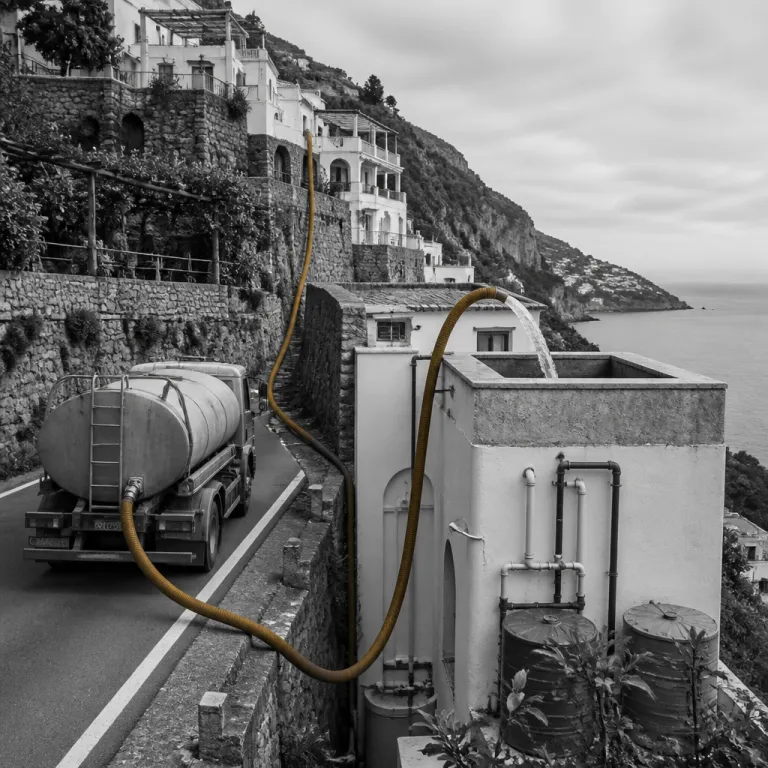
How amalfi coast water sustainability starts in the monti lattari
Amalfi’s luxury hotels sit on a vertical coast that was engineered by hand, not by pipes. Long before tourism Amalfi became a global shorthand for la dolce vita, local farmers carved terraces into the steep slopes to slow rainfall and feed the aquifer beneath the stone walls. Those same terraces now underpin amalfi coast water sustainability, even as climate change pushes temperatures higher and storms harder.
The freshwater that supplies the amalfi coast does not rise from the sea but falls as rainfall over the Monti Lattari massif, then filters slowly through soil and limestone. In this lattari regional watershed, well maintained terrace systems act like sponges, holding water in agricultural land and lemon groves instead of letting it rush downslope and accelerate erosion. Where erosion terraced slopes have been abandoned, the risk of landslides and the loss of stored water both increase, which directly affects how much water reaches municipal reservoirs that serve every hotel in the area.
Local water authorities confirm that hotels in Amalfi and along the wider coast Italy rely on municipal networks, not private wells or desalination plants. As they put it plainly, “Hotels obtain water from local municipal supplies.” For guests, that means the tap water in a five star suite in Italy Amalfi has already travelled through a science led system of pipelines and storage tanks that begins high above the coast UNESCO landscape, in cloud catching ridges that were terraced years ago to balance erosion, fires and food production.
From municipal mains to cliffside suites: the hidden hotel infrastructure
Behind every infinity pool and marble bathroom on the amalfi coast lies a surprisingly fragile water logistics chain. Amalfi Coast hotels are heavy water consumers, yet the average daily water consumption per hotel in this area is constrained by limited supply and by the physical difficulty of moving water up from sea level to stacked terraces. Local water authorities organise daily water delivery and regular quality checks, while storage tanks tucked into stone walls or beneath rooftop terraces buffer short term fluctuations.
Most five star properties on the coast Italy now combine municipal water supply with on site conservation practices to keep their per room usage well below global resort averages. A typical luxury hotel in Amalfi might use 400 to 600 litres of water per occupied room per day, which is already significantly lower than the 1,500 litre baseline often cited for comparable properties worldwide, and this reduction directly supports amalfi coast water sustainability goals. Pipelines snake up from the valley floor, feeding tanks that then gravity feed guest rooms, spas and kitchens on each terrace level, a system that looks simple on a plan but must be constantly monitored over time to avoid leaks and pressure drops.
Innovation is uneven but growing, especially among Relais & Châteaux members that have formal sustainability frameworks for climate change and resource use. Some of the most forward looking properties now publish their water data and outline how graywater systems, rainwater capture and careful maintaining terraces all reduce erosion and landslides risk in the surrounding area. For a deeper dive into how these high end hotels balance heritage, coast UNESCO obligations and environmental performance, the guide to sustainable luxury on the Amalfi Coast will help you benchmark one address against another before you book.
Graywater, pools and the real cost of a sea view swim
Water use in a cliffside hotel is not just about showers and tap water but about how every pool, spa and fountain is managed over time. An infinity pool that seems to merge with the coast can quietly consume tens of thousands of litres through evaporation, backwashing and refilling, especially during increase extreme heat waves that now hit the amalfi coast more often. When several such pools line the terraces of a single property, the cumulative draw on municipal water becomes a central question for amalfi coast water sustainability rather than a decorative afterthought.
The most serious properties now treat pools as part of a closed loop system, not as stand alone luxuries. Filtration backwash water is increasingly redirected into non potable uses such as irrigation for lemon groves, ornamental gardens and erosion terraced slopes that shield the soil from drying winds and wild fires. Some hotels have invested in graywater recovery that channels lightly used water from showers and sinks into underground tanks on a lower terrace, where it can be pumped back up to maintain green roofs, reduce erosion and cool stone walls that would otherwise radiate heat into the area.
Guests rarely see this infrastructure, yet it shapes the feel of a stay as much as thread count or service rituals. A property that has invested in serious graywater science can keep gardens lush through long dry spells without increasing its draw on the municipal network, which in turn lowers the landslides risk linked to sudden heavy rainfall on parched, compacted soil. If you care about both climate change and comfort, look for hotels that explain their pool management and irrigation strategy as clearly as they describe their spa menu, or consult curated lists of eco friendly luxury hotels on the Amalfi Coast that already screen for these behind the scenes choices.
Terraces, lemon groves and the UNESCO logic of staying hydrated
The amalfi coast was inscribed as a coast UNESCO cultural landscape because generations of local farmers transformed near vertical cliffs into a living architecture of terraces. Each terrace is held in place by dry stone walls that slow water, trap soil and create narrow bands of agricultural land where lemon groves, vineyards and vegetable plots can thrive. When these systems are well maintained, they act as a distributed reservoir that supports both rural livelihoods and amalfi coast water sustainability for the hotels below.
Years ago, when tourism Amalfi was still modest, the balance between agriculture and hospitality felt more stable, with local families tending multiple small plots over time. Climate change has altered that equation by bringing hotter summers, more intense rainfall and an increase in extreme weather events that test every stone wall and drainage channel. Where terraces are abandoned or poorly maintained, heavy rainfall can trigger erosion, landslides and even wild fires, all of which reduce the land’s ability to absorb and slowly release water into the aquifer that feeds municipal supplies.
Some of the most thoughtful luxury properties now lease or co manage nearby terraces, investing in maintaining terraces not just as a scenic backdrop but as functional hydrological infrastructure. Supporting local farmers to restore erosion terraced slopes, rebuild stone walls and replant lemon groves is not nostalgia but climate science in action, because it will help stabilise soil, reduce runoff and secure water for both villages and hotels. When you choose a hotel that can point to specific terrace restoration projects in the lattari regional area, you are effectively backing a long term water strategy for Italy Amalfi rather than a short term marketing slogan.
What business leisure guests can do without sacrificing comfort
Executives extending a work trip to the amalfi coast are used to high service standards, but the most sophisticated now expect that luxury to be aligned with amalfi coast water sustainability. The good news is that the region’s infrastructure and hotel practices already support responsible choices, because “Use water responsibly during stays.” and “Report leaks to hotel staff.” are not just polite suggestions but operational necessities in a climate stressed area. Small, informed decisions in your suite can ripple through the system, especially in properties where average daily water consumption per hotel is tightly managed.
Start with habits that have outsized impact yet almost no effect on comfort. Shortening showers by a few minutes, declining daily linen changes and choosing a room with a shared pool rather than a private plunge pool on its own terrace can significantly reduce per guest water use over time. Opting to drink safe tap water instead of imported bottled brands not only cuts plastic but also signals trust in local science based quality controls, which state clearly that “Is tap water safe to drink in Amalfi hotels? Yes, tap water meets national quality standards.” and “Do hotels use desalination for water supply? No, they rely on municipal water sources.”
Beyond the room, you can ask targeted questions that encourage better practices without sounding preachy. When booking, inquire whether the hotel tracks water per occupied room, how it irrigates gardens during increase extreme heat and whether it supports any maintaining terraces projects with local farmers in the Monti Lattari area. For those planning a romantic or restorative stay, pairing these questions with a search for elegant hotel suites with fireplaces on the Amalfi Coast ensures that sustainability and atmosphere sit comfortably side by side.
Where the industry is heading on water, climate and accountability
The next chapter of amalfi coast water sustainability will be written as much in spreadsheets as in stone, because serious hotels are now treating water like a strategic KPI rather than a background utility. Global groups with a presence along the coast, from Relais & Châteaux affiliates to peers in the IHG, Mandarin Oriental and Anantara families, have all set public sustainability targets that explicitly reference climate change, resource efficiency and support for local communities. On this narrow coast Italy corridor, where five million visitors move through thirteen small towns each year, those pledges translate into concrete questions about how much water each property uses, recycles and returns to the system.
Leading hotels are beginning to publish annual data on water consumption, graywater reuse and investment in erosion control on nearby terraces, often verified by third party auditors. Others remain conspicuously silent, offering only vague language about being eco friendly while operating multiple pools, expansive lawns and high turnover spas that clearly increase pressure on the municipal network over time. As a guest, favouring the first group will help shift capital towards properties that treat the coast UNESCO designation as a living responsibility rather than a line in a brochure.
Over the coming years, expect more collaboration between Amalfi Coast hotels, local water authorities and environmental agencies to stabilise soil, reduce landslides risk and manage wild fires in the lattari regional hinterland. Joint projects to restore erosion terraced slopes, reinforce stone walls and replant lemon groves are not just landscape beautification but core climate science responses that secure the aquifer beneath Italy Amalfi. When you choose where to stay, you are effectively voting for one version of this future or another, and the most rewarding addresses will be those where the quiet logistics of water feel as carefully curated as the view from your terrace.
FAQ
Where does the Amalfi Coast get its freshwater?
The amalfi coast relies on rainfall that falls over the Monti Lattari mountains and slowly filters through soil and rock into an underground aquifer. Terraces and stone walls help the land absorb this water instead of losing it quickly to erosion and landslides. Municipal authorities then capture, store and distribute this freshwater to villages and hotels along the coast.
Is tap water safe to drink in Amalfi Coast hotels?
Tap water in Amalfi Coast hotels meets Italian national quality standards and is considered safe to drink. It comes from the same municipal system that supplies local residents, with regular testing and monitoring. Choosing tap water instead of bottled options supports amalfi coast water sustainability by reducing waste and transport impacts.
Do Amalfi Coast hotels use desalination to supply water?
Hotels along the amalfi coast do not rely on desalination plants for their water supply. Instead, they are connected to municipal networks that draw from the Monti Lattari aquifer and related reservoirs. This makes careful management of rainfall, terraces and erosion control especially important for long term water security.
How much water does a luxury hotel room typically use per day?
A five star room on the Amalfi Coast often uses around 400 to 600 litres of water per occupied room per day, including showers, laundry, kitchens and shared facilities. This is lower than many global resort averages but still significant in a region with limited natural water resources. Hotels reduce this demand through graywater systems, efficient fixtures and careful pool management.
What can guests do to support water sustainability during their stay?
Guests can support amalfi coast water sustainability by taking shorter showers, reusing towels, declining daily linen changes and reporting any leaks immediately. Choosing shared pools over private plunge pools and drinking tap water instead of bottled brands also reduces pressure on the system. Asking hotels about their water tracking, terrace restoration projects and graywater use encourages more transparency and investment in long term solutions.