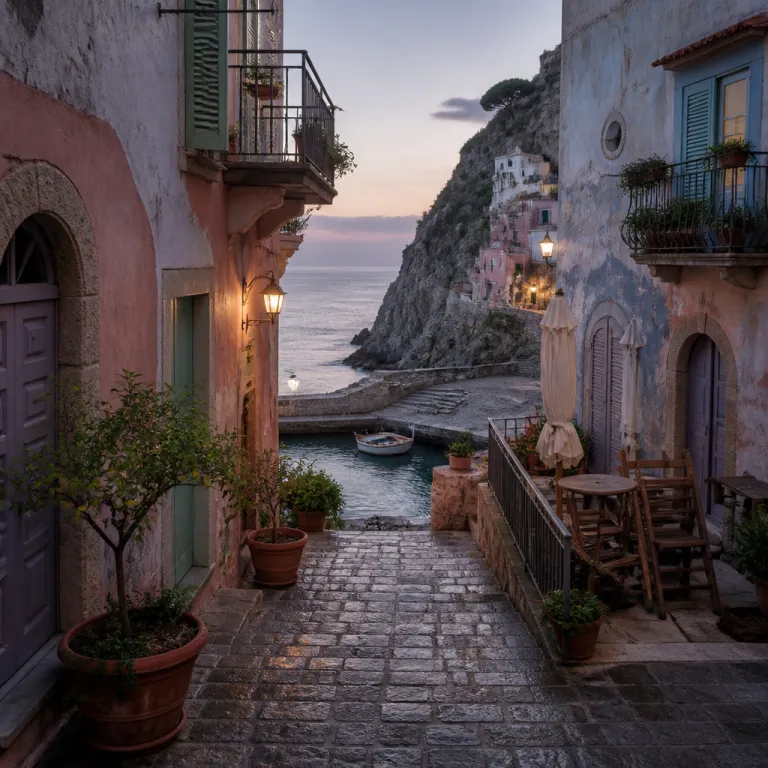
Conca dei Marini on the Amalfi Coast: why this small town feels different from its famous neighbours
Why Conca dei Marini Amalfi Coast feels different from its famous neighbours
Conca dei Marini sits on a narrow ledge of the Amalfi Coast, a small town of roughly 700 residents where the sea feels close yet life moves slowly. Between Amalfi and Positano, this former fishing village in the Campania region has become a quiet counterpoint to the more theatrical tourist destinations that Amalfi and Positano now represent. The conca of cliffs that curves around the Marina di Conca creates a natural amphitheatre, and the village leans into that geography rather than fighting it.
Here the Conca dei Marini community still relies on traditional fishing and small scale agriculture, and evenings are when the real experience begins as day trippers leave by car or bus. Local guidance sums it up clearly: "Visit in the evening for a peaceful experience" and "Explore local cuisine at small eateries". Once the coaches heading to the Grotta dello Smeraldo have gone, the town returns to its own rhythm, with residents chatting outside the grocery store and fishermen checking boats in the tiny harbour of Marina di Conca.
For travellers choosing where to stay along the Amalfi Coast, this place is not about a long beach or a promenade lined with shops. The municipality covers just over 1 km² according to recent ISTAT municipal data, so every walk reveals another staircase, another glimpse of the sea, another terrace where someone has hung laundry beside lemon trees. It feels like a deliberate antidote to the classic Amalfi and Positano postcard, yet you are still only minutes by car or SITA bus from those destinations that Amalfi has made famous.
The two anchor hotels that define luxury in this cliffside town
Conca dei Marini has only two true luxury anchors, and they shape how travellers experience this stretch of the Amalfi Coast. Monastero Santa Rosa Hotel & Spa occupies a former seventeenth century convent perched high above Capo Conca, its former monastic cells reimagined as serene suites that frame the sea like a private chapel. Terraced gardens cascade down the cliff, ending in an infinity pool that seems to float between the Campania region sky and the Tyrrhenian Sea.
Across the conca, Borgo Santandrea steps down from the road to the water in a series of whitewashed terraces, each level revealing another angle on the Amalfi Coast and the distant Cilento horizon. Rooms and suites are layered from the top reception level down to a private beach cove, so your stay becomes a vertical journey between lobby, pool, and sea. Its Alici restaurant is listed in the Michelin Guide, and the kitchen leans into the local area with seafood landed in Marina di Conca and vegetables from nearby farms in the Campania region.
These two properties often appear in independent rankings of the best hotels on the Amalfi Coast, and they reward travellers who value architecture as much as amenities. For a broader context on how they compare with other high end stays, consult a detailed guide to the best hotels on the Amalfi Coast from a trusted travel source. What matters here is how both hotels integrate with the cliff, turning the steepness of the place into part of the experience rather than an inconvenience.
From sfogliatella Santa Rosa to the Emerald Grotto: what you actually do here
Days in Conca dei Marini tend to follow the sun rather than a checklist of tourist destinations. Mornings might start with a sfogliatella Santa Rosa on a terrace, the pastry that nuns once created in the convent now known as Monastero Santa Rosa, long before Naples claimed it as its own. The layers of crisp pastry and ricotta cream feel like a small history lesson in how this town has always punched above its size in the wider Campania region.
Late morning, when tour buses are still unloading near Amalfi, you can walk down towards Capo Conca and arrange a short boat ride to the Grotta dello Smeraldo, the Emerald Grotto that has become one of the most recognisable natural sights on the Amalfi Coast. From Conca dei Marini the Grotta dello Smeraldo is a five minute hop by small boat, not a half day coach excursion, and that changes the whole experience. You glide across the sea, slip into the cave, and return to the Marina di Conca jetty before the crowds from larger tourist destinations arrive.
Afternoons are for the small beach coves below Borgo Santandrea or for lingering by the pool at Monastero Santa Rosa, watching boats trace lines between Amalfi and Positano. If you feel restless, a rental car or driver can take you in minutes to classic Amalfi and Positano viewpoints or further along the coast towards the Cilento area for a different side of Campania. For travellers who have already ticked off the main sights, this slower rhythm pairs well with a more advanced Amalfi Coast itinerary beyond Positano that focuses on lesser known villages and viewpoints.
Logistics: getting to Conca dei Marini and why the effort is worth it
Reaching Conca dei Marini requires a little planning, and that is exactly why the town stays calm once the sun sets. There is no regular ferry stop here, so most guests arrive by private transfer, SITA bus, or rental car along the SS163 coastal road that links Amalfi and Positano. The drive from Amalfi takes only a few minutes by car, and SITA routes such as Amalfi–Sorrento typically cover the distance in around 10–15 minutes depending on traffic, but the psychological distance from the crowds feels far greater.
Both Monastero Santa Rosa and Borgo Santandrea can arrange transfers from Naples or Salerno, which is often the most comfortable option for a luxury stay. If you prefer to drive yourself, be realistic about the narrow curves of this part of Italy and the limited parking in every town along the Amalfi Coast. A rental car works best if you plan to explore inland villages in the Campania region or head towards the Cilento coast, rather than for daily shuttling between nearby destinations such as Amalfi.
Public buses connect the area with Amalfi and Positano, but schedules can be irregular and standing is common in peak periods, so couples seeking a relaxed experience often mix one or two bus rides with private taxis. Once you arrive, you will mostly move on foot, climbing staircases between the upper road and the Marina di Conca level, which reinforces the sense of being in a real place rather than a resort compound. That small access challenge filters out casual visitors and leaves the evenings to residents and overnight guests who have chosen this specific corner of Campania for its quiet; travellers with limited mobility should factor in the steep steps and scarce flat promenades when planning.
Living with less infrastructure: how Conca dei Marini shapes your stay
What surprises many travellers is how little commercial infrastructure exists in Conca dei Marini compared with other towns on the Amalfi Coast. There is a grocery store or two, a handful of small eateries, and a few bars, but no dense strip of shops or late night venues. The absence of a polished promenade means your stay becomes about the sea, the cliff, and the people who actually live here.
With only around 700 residents in this compact area of Campania, as confirmed by recent ISTAT municipal data, evenings feel like a shared ritual between locals and guests rather than a performance for passing tour groups. As one summary of the village puts it, the goal is to "Maintain local traditions" and "Preserve peaceful atmosphere" while welcoming visitors who value authenticity. That philosophy shows in the way traditional fishing boats still leave Marina di Conca at dawn and in how agriculture clings to terraces above, even as luxury hotels have arrived.
For couples, this means planning your days with intention: perhaps a long lunch in Amalfi, a sunset drink back at your hotel, then a quiet walk through the town to watch lights appear along the coast. If you crave more restaurant choice or nightlife, you can always share a taxi to Amalfi or Positano hotspots and return in minutes by car to sleep in silence. When you want to understand how a former monastery can become a spa without losing its soul, it is worth reading an in depth review of a similar project in Amalfi at the Anantara Convento di Amalfi, which echoes some of the same architectural questions you will sense at Monastero Santa Rosa.
Choosing Conca dei Marini over larger tourist destinations
Deciding whether to base yourself in Conca dei Marini or in a larger town like Amalfi or Positano comes down to how you want to balance ease and atmosphere. Amalfi offers more frequent transport connections and a wider choice of restaurants, while Positano delivers that dramatic vertical postcard and a more obvious beach scene. This small town, by contrast, gives you two world class hotels, a working Marina di Conca, and a sense that you are borrowing a real community rather than checking into a stage set.
Religious architecture here is modest but meaningful, with churches such as San Giovanni Battista and San Giovanni in the hamlet of Capo Conca anchoring the spiritual life of the place. These churches, along with the convent that became Santa Rosa, remind you that this corner of Italy has always looked both to the sea and to the sky. When you walk between them at dusk, the only soundtrack is usually the sea and the occasional car on the road above, not the constant buzz of larger tourist destinations.
For many couples, the ideal itinerary pairs a few nights in Conca dei Marini with time in Amalfi or another town in the Campania region, using a rental car or driver to move between these different moods of the coast. You might spend one day exploring the wider area towards the Cilento coast, another sharing a long lunch in Amalfi, and a final day doing almost nothing by the pool while boats shuttle between Amalfi and Positano below. In the end, the conca, the dei, and the marini that give this place its name are not just words on a map, but a reminder that the Amalfi Coast still has pockets where life moves at a Mediterranean pace.
FAQ
What is Conca dei Marini best known for?
Conca dei Marini is best known for the Grotta dello Smeraldo, also called the Emerald Grotto, and for its traditional fishing village character on the Amalfi Coast. The town is also closely associated with the sfogliatella Santa Rosa pastry, which originated in the local convent that became Monastero Santa Rosa. Travellers value it as a quieter alternative to larger tourist destinations such as Amalfi and Positano.
How can I reach Conca dei Marini without driving?
You can reach Conca dei Marini by SITA bus from Amalfi or Positano, getting off at stops near the main road above the town. Many guests arrange private transfers through their hotel from Naples, Salerno, or Amalfi, which is more comfortable if you have luggage. Once in the area, taxis and hotel shuttles can handle short trips, while most local movement happens on foot via staircases.
Are there many accommodation options in the town?
The town has two major luxury hotels, Monastero Santa Rosa and Borgo Santandrea, plus a small number of guesthouses and apartments. This limited supply keeps the overall number of visitors low compared with other towns in the Campania region. If you plan to stay in peak periods, booking well in advance is essential because rooms in this area sell out quickly.
Is Conca dei Marini suitable for a beach focused holiday?
Conca dei Marini has small coves and a compact beach area near Marina di Conca, rather than a long sandy shoreline. Borgo Santandrea offers direct access to a private beach cove, while other visitors reach the sea via public paths and boat services. For travellers who want a wide beach scene, pairing a stay here with day trips to other parts of the Amalfi Coast or the Cilento coast works well.
What is the atmosphere like in the evenings?
Evenings in Conca dei Marini are quiet, with most day trippers gone and only residents and overnight guests in the streets. Small eateries and bars stay open, but there is no real nightlife scene, which suits couples seeking calm after busy days exploring the coast. The focus is on sea views, local food, and the feeling of being in a lived in town rather than a resort strip.
Sources
Italian National Institute of Statistics (ISTAT) for demographic and area data on the Campania region and municipalities such as Conca dei Marini.
Official tourism information from Regione Campania and local Amalfi Coast tourism offices for transport, geography, and heritage context, including details on the SS163 road and public bus services.
UNESCO documentation on the Amalfi Coast cultural landscape for background on traditional agriculture, settlement patterns, and coastal villages.