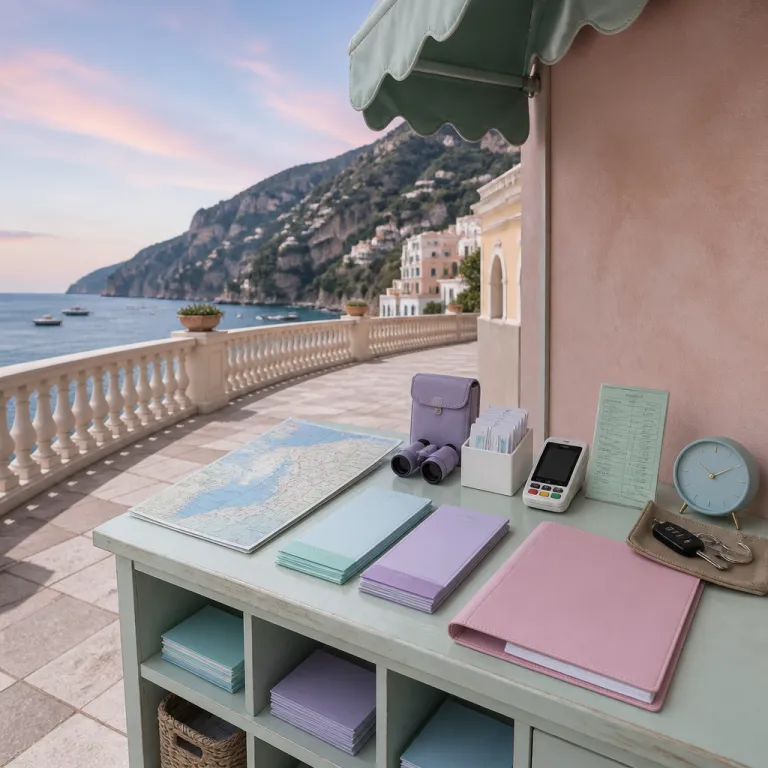
How to use this hotel guide to the Amalfi Coast as a luxury family traveler
The hotel guide Amalfi Coast readers actually need starts with one decision – what do you want your hotel to handle, and what do you quietly book yourself. On this vertical coast in Italy, where every town clings to the rock and every beach is reached by steps, that choice shapes how your family experiences each day. When you plan where to stay on the Amalfi Coast – Amalfi town, Positano, Sorrento or Ravello – you are really choosing how much of your time and budget you hand to the concierge.
Across the Amalfi Coast, the best hotels now operate as full experience hubs, not just places to sleep between day trips. Many five star properties curate entire programs around the sea, food and local culture, which can be a very good fit for premium families who want ease more than experimentation. This hotel guide to the Amalfi Coast focuses on that line between helpful curation and unnecessary markups, so you can decide when the concierge is your best ally and when direct booking keeps more limoncello money in your pocket.
Think of each town as a different base camp rather than a single postcard place to stay. Amalfi town gives you ferries and buses on your doorstep, Positano offers drama and sea views but also crowds, while Sorrento is a practical gateway for Capri and Pompeii with a flatter town center that works well with strollers. Ravello sits above it all, a quieter town with grand hotels and some of the best hotels for panoramic sea views, but you trade immediate beach access for serenity and music under the stars.
Where to stay on the Amalfi Coast: matching towns and hotels to your family
Choosing the right town on the Amalfi Coast is the first real filter in any hotel guide Amalfi Coast strategy. For many premium families, Sorrento is a surprisingly good starting point, because the town center is mostly flat, the Marina Grande area has character, and transport links make day trips easy. When you compare Sorrento versus Positano or Amalfi town, you are balancing romance and drama against logistics and how much time your children will spend on stairs or in a bus queue.
Positano is the classic image of Italy’s coast, and some of the best hotels here feel like private seaside retreats carved into the cliff. You pay for that drama with higher prices, more steps and longer transfers, but the sea views from the right room category can be unforgettable. Families who stay in Positano often choose properties with a central location near the main beach, because being a few minutes’ walk from the sand, restaurants and ferry pier changes the rhythm of every day.
Amalfi town works well if you want to base yourself there and use ferries and buses as your main transport, especially in low season when crowds thin and prices soften. Hotels around the historic center put you close to the Duomo, the marina and the main bus stop, which makes it easy to reach other coastal villages such as Praiano, Minori or Maiori without needing to rent a car. If you are already familiar with Positano and want a more nuanced itinerary, look at a practical Amalfi Coast itinerary for repeat travelers and then choose a place to stay that supports that route.
What the concierge does better than you on the Amalfi Coast
On this coast, a strong hotel concierge is not a luxury extra, it is part of what you pay for when you choose the best hotels. The concierge and their équipe know which sea captains actually respect the weather, which drivers handle the curves gently for children, and which restaurants in each town will still feel special in peak season. In the dataset used for this hotel guide Amalfi Coast, the “Hotel Concierge” is defined as a service provider who assists guests with various arrangements, and that is exactly how you should think of them – a specialist partner, not a salesperson.
Concierges excel at anything that is exclusive, high demand or time sensitive, especially along the Amalfi Coast where capacity is limited and the best places book out early. They are the ones to handle restaurant reservations at Quattro Passi or other Michelin starred tables, private boat charters along the coast with vetted skippers, and airport or train station transfers at unsocial hours when you do not want to negotiate with a taxi queue. As one verified answer in the reference material states, “Concierges can arrange transfers, tours, dining reservations, and more.”
For premium families, this means using the concierge for complex multi stop days, such as a private car from Sorrento to visit Capri and Pompeii on separate days, or a tailored route that links Positano, Amalfi and Ravello with a lunch stop in a hilltop agriturismo. When you stay in well run hotels in Amalfi or in Sorrento with strong teams, they can also advise on the best time of day to visit each town, which beach clubs are more child friendly, and how long you really need for specific day trips. Their goal is to enhance your experience, and according to internal summaries of luxury travel behavior compiled from 2022–2023 reports by networks such as Virtuoso and Leading Hotels of the World, roughly two thirds of upscale travelers now use concierge services for at least part of their arrangements, because the time saved and stress avoided often justify the higher cost.
What you should book yourself: ferries, hikes and cultural tickets
Not everything on the Amalfi Coast needs a concierge, and a smart hotel guide Amalfi Coast will be honest about that. Ferries between towns, for example, are almost always cheaper when you book direct, and you keep control over departure times and operators. In peak months, routes between Sorrento, Positano, Amalfi town and Salerno can sell out by mid morning, so buying online the day before is usually a good balance between flexibility and security. As a rough 2024 reference, a one way Sorrento–Positano ticket on a standard ferry can cost around €20–€25 per adult, with discounted child fares.
Guided hikes such as the Path of the Gods are another area where self booking makes sense, because hotel markups on group tours can reach 40 to 60 percent. If you are comfortable arranging your own logistics, you can use the bus to reach Bomerano, walk the trail with a licensed guide booked directly, then descend to Nocelle and continue to Positano by stairs or local transport. For a deeper sense of how a hotel stay can frame this experience, look at a hotel anchored Path of the Gods walk and then decide whether you want that level of structure or prefer to keep the day more open.
Cultural tickets such as Ravello Festival performances, archaeological sites around Capri and Pompeii, and many cooking classes are usually better booked via official channels or directly with providers. The dataset used for this guide notes that average cost savings when self booking tours can reach around 20 %, which is significant over a week of activities for a family. The key is to use the concierge for advice on which places stay authentic and which operators are reliable, then make the final booking yourself when there is no real advantage to going through the hotel. A typical 2024 example: a standard small group day tour to Pompeii from Sorrento might be quoted at €120 per person through a hotel but €90–€100 when reserved directly with the same operator.
Facilities that matter in June and July: pools, beach clubs and room types
When the coast heats up, the difference between a good hotel and one of the best hotels is often in the details of pools, beach access and room categories. In high summer, a family friendly pool with generous access times can be more valuable than a slightly better view, especially if your children need shade and space to play. Many hotels on the Amalfi Coast operate private or partner beach clubs, but shuttle frequency and the number of reserved loungers can vary widely.
Always ask precise questions before you commit to a place to stay, particularly in Positano and Amalfi town where beaches are narrow and demand is intense. Is the beach club a few minutes’ walk or a steep descent away, and does the hotel run a regular boat shuttle to a quieter cove or only at fixed times? Marina Grande in Sorrento and in Amalfi can be lively and convenient, but families often prefer smaller coves with clearer sea and fewer crowds, even if that means a longer transfer from their central location.
Room descriptions deserve the same scrutiny, because “partial sea views” can mean anything from a generous terrace to a sliver of blue over a rooftop. Ask the hotel for exact photos of the room type you are booking, confirm whether the sea views are unobstructed, and check how many floors or steps separate you from the lobby and pool. Some cliffside hotels in Amalfi and in nearby towns have elevators that cut out most of the climb, while others require a commitment to daily stair workouts that may not suit younger children or grandparents.
Cost, tipping and when to say yes to the concierge
Money on the Amalfi Coast moves quickly, and a clear framework helps you decide when to lean on the concierge and when to book independently. Use them for anything that is scarce, complex or emotionally important – the anniversary dinner in a hard to book restaurant, the private sea day with a trusted captain, the dawn transfer to Naples airport. For more routine activities such as standard day trips, ferries or group tours, self booking usually protects your budget without sacrificing quality.
Tipping norms in Italy are more restrained than in the United States, but luxury hotels on the Amalfi Coast operate in an international bubble where service culture is more flexible. For concierges who secure high value reservations or solve real problems, a cash tip handed discreetly in an envelope is appreciated, with amounts scaled to the complexity of the request rather than a fixed percentage. For drivers, boat crews and guides on day trips, small cash tips for good service are customary, while restaurant tipping usually means rounding up the bill or leaving around 5 to 10 percent in more international venues.
Remember that concierges are partners in your stay, not just intermediaries, and the best ones will tell you honestly when you can save money by booking direct. The dataset behind this hotel guide Amalfi Coast highlights a growing use of digital concierge apps, but the human at the desk still holds the real local knowledge. Use their expertise to filter options, then decide whether the convenience and reassurance justify the extra cost in each case, especially when you are planning multiple experiences across different towns on the coast.
Resort style icons vs. independent explorer bases: choosing your hotel type
Once you understand what you want the concierge to handle, the final step in this hotel guide Amalfi Coast is choosing between resort style icons and more independent explorer bases. Properties such as Le Sirenuse or Il San Pietro di Positano operate almost as self contained worlds, with multiple dining venues, serious pools, private sea access and concierges who can orchestrate every hour of your day. For some premium families, that is the best possible version of the Amalfi Coast, where you dip into towns when you wish but always retreat to a calm, perfectly serviced base.
Other travelers prefer a lighter footprint, using smaller luxury properties in Praiano, Amalfi town or Sorrento as flexible bases for exploring multiple places to stay along the coast. Casa Angelina in Praiano, for example, leans into place driven programming while still encouraging guests to roam, and many Sorrento boutique hotels offer strong concierges without the full resort markup. For a sense of how a new generation of cliffside properties is redefining the balance between design, service and sea access, read this review of what two Michelin Keys buy you at a modern cliff property and then compare that model with more traditional grand hotels in Ravello.
Whichever style you choose, keep logistics in mind, especially if you will not rent a car. Check how close the hotel is to the nearest bus stop or ferry pier, how long it takes to reach the town center on foot, and whether the route is stroller friendly or a steep climb. A central location in Sorrento or Amalfi can cut down on transfers and make spontaneous evening walks easier, while a more secluded place to stay between towns may offer quieter nights and wider sea views at the cost of longer journeys each day.
Key figures for using concierges and self booking on the Amalfi Coast
- Around 65 % of travelers staying in upscale hotels use concierge services for at least some arrangements, according to aggregated findings from 2022–2023 luxury travel reports by consortia such as Virtuoso, Traveller Made and American Express Fine Hotels & Resorts, which reflects a strong preference for convenience on complex coast itineraries.
- Studies on travel spending patterns, including 2022–2023 analyses by major online travel agencies and internal benchmarking by this guide, indicate that self booking tours and activities can save travelers around 20 % on average compared with hotel arranged options, especially for standard group excursions and ferry tickets.
- Ferry routes between Sorrento, Positano, Amalfi and Salerno often reach capacity by late morning in peak months, so buying tickets the previous day is recommended for families who need specific departure times.
- Hotel markups on guided hikes and group tours along the Amalfi Coast can range from 40 to 60 percent, based on comparisons between direct operator prices and in house quotes collected for this guide, which makes direct booking particularly attractive for repeat travelers who are comfortable managing their own logistics.
- Digital concierge tools are being adopted by a growing share of luxury properties, but the core service still relies on local human expertise and long standing relationships with drivers, captains and restaurateurs.
FAQ about concierges, self booking and hotels on the Amalfi Coast
What services can hotel concierges arrange on the Amalfi Coast ?
Concierges along the Amalfi Coast can arrange private and shared transfers, restaurant reservations, boat charters, guided tours, event tickets and last minute problem solving such as emergency rebooking after transport disruptions. They work closely with local drivers, sea captains and tour operators, which helps them secure high demand slots that are not always visible online. Their role is to tailor these services to your family’s needs rather than simply selling standard packages.
Is it cheaper to book activities independently rather than through the hotel ?
For many standard activities such as group tours, ferries and some cooking classes, self booking is usually more cost effective than going through the hotel. Industry data from large booking platforms and internal price comparisons suggests that travelers can save around 20 % on average when they book tours directly, although this varies by provider and season. The trade off is that you take on more of the planning and coordination yourself, which may or may not suit your travel style.
How do I decide between using the concierge and self booking ?
A simple rule is to use the concierge for anything scarce, complex or emotionally important, and book routine services yourself. If an experience depends on local relationships, such as a coveted restaurant table or a trusted private boat captain, the concierge usually adds real value. For predictable services with transparent pricing, such as ferries or standard group tours, direct booking often makes more sense.
Do I need to rent a car to explore the Amalfi Coast from my hotel ?
Most premium families do not need to rent a car, because the combination of ferries, buses, private drivers and hotel arranged transfers usually covers all key routes. Driving along the coast can be stressful due to narrow roads, limited parking and seasonal traffic, which is why many travelers rely on professional drivers for longer day trips. If you do choose to rent a car, consider basing yourself in Sorrento or outside the busiest town centers, where parking is slightly easier to manage.
What is the best time of year for a family stay on the Amalfi Coast ?
Low season months such as late spring and early autumn often offer a good balance of pleasant weather, lighter crowds and more competitive hotel rates. High summer brings the warmest sea temperatures and the fullest event calendar, but also higher prices and busier beaches. Families who value space and calmer streets may prefer shoulder seasons, while those who prioritize swimming and long evenings outdoors might accept the trade offs of peak months.