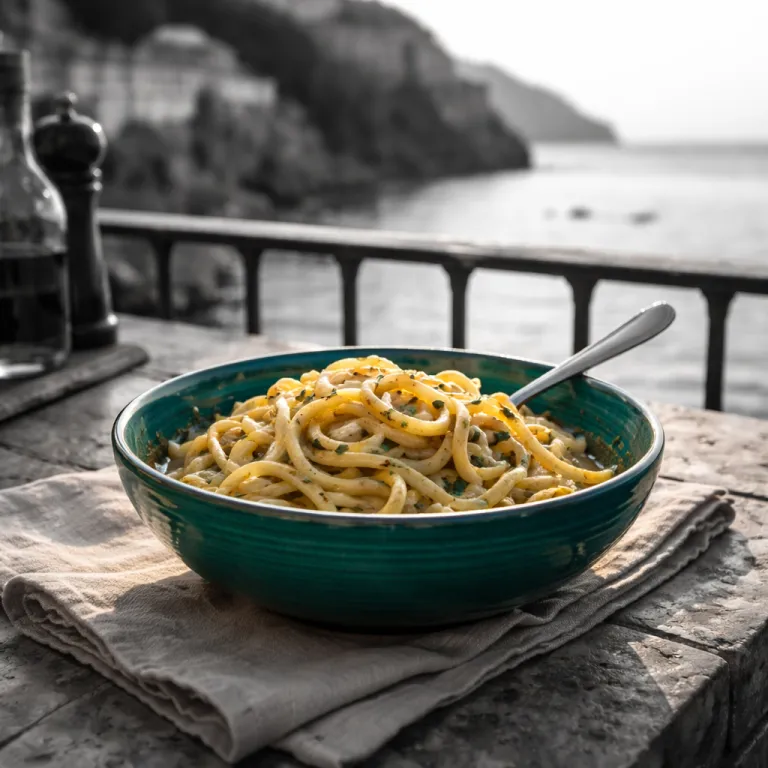
Why minori amalfi coast pasta matters more than a sea view
Minori sits between Amalfi and Maiori, a compact town pressed gently between sea and hills. This working community has a small harbour, a real school run, and a rhythm that feels shaped by dough rather than day trippers along the Amalfi Coast. For travelers choosing between a cliff suite and a plate of handmade pasta in Minori, this is where the decision becomes interesting.
The town is not the postcard city taste of the Amalfi Coast, yet its pasta houses quietly feed many of the coast’s most polished dining rooms. Here the pastificio doors open onto racks of drying shapes, and the air smells of flour, lemon and steam instead of perfume from a lobby. When you base yourself in this hillside settlement, you trade infinity pools for conversations with makers who still talk about the ancient Romans as if they left yesterday.
Minori well rewards that choice, especially if you care more about what is on the plate than what is on Instagram. The beach is compact but genuinely used by residents, and the path that links Minori and Maiori is walked by people carrying shopping bags, not just cameras. For many luxury guests, the default is now a five star suite in Amalfi town with a driver, yet the most memorable meals often begin in this small place where pasta is still rolled by hand and served without ceremony.
Ndunderi, ancient pasta and the quiet power of a single plate
Ask a local in Minori about pasta and they will start with ndunderi before anything else. This historic shape is often compared to gnocchi, yet the texture is lighter, thanks to ricotta folded into the dough in a way that feels almost ceremonial in this part of Italy. As one elderly cook on Via Roma puts it, “Ndunderi is our Sunday pasta, made with ricotta, flour and patience, the way my nonna did it.”
Those deep roots matter here because Minori’s culinary identity reaches back to when ancient Romans used this coast as a retreat, leaving traces in villas and in recipes. Today, local pasta makers still use manual tools, small mills and traditional drying racks, keeping the methods slow while the rest of the Amalfi Coast speeds up for mass travel. When you sit at a family restaurant table and order ndunderi, you are tasting a line that runs from earlier kitchens to the present plate.
Many visitors say this is the best way to enjoy Minori, because a single plate of ndunderi invites conversation with the owner about flour, time and weather. The taste is rich but clean, especially when paired with a glass from nearby Tramonti, whose vineyards you can explore through an inland detour to the region’s wine country and its families who still press their own grapes at home via this guide to Amalfi’s inland wine traditions. In that moment, Minori Amalfi Coast pasta stops being a search term and becomes a very specific memory anchored to a very specific town.
From pastificio side streets to five star hotel tables
Walk the back streets of Minori and you will notice how many shutters hide small pastificio workshops. Some of these local producers welcome visitors for a quick look at the racks of pasta, while others work quietly as suppliers to luxury hotels perched above the coast. Minori’s role in the slow pasta movement is not theatrical; it is logistical, feeding the kitchens that later feed you in a linen dressed dining room.
Producers such as Pastificio Vicidomini, founded in the early 1900s near Corso Vittorio Emanuele, and peers in town focus on a handful of traditional shapes, including ndunderi and long strands that catch seafood sauces. Their output travels up the hill to Ravello, along the road to Amalfi, and into the brigades of five star properties where chefs build tasting menus around what arrived that morning. When you read a menu in a luxury hotel and see a reference to ancient recipes from this part of Italy, there is a good chance the dough was mixed in a small town like Minori rather than in the hotel’s own kitchen.
This supply chain is part of what makes Minori Amalfi Coast pasta so relevant for travelers choosing where to stay. If you book a clifftop suite, ask the concierge which family restaurant in Minori they trust for the best taste of ndunderi, then arrange a car down and a boat back to enjoy the coast from both angles. For a deeper look at how these local networks work beyond pasta, including how fishermen still land your dinner, read the analysis of how local suppliers shape five star kitchens before you plan your route.
Saints, lemons and why solo travelers feel at home in Minori
Minori’s streets are watched over by Santa Trofimena, the patron saint whose presence is felt in church art and in the way residents talk about the town. The Basilica of Santa Trofimena stands close to the sea, a reminder that this small town has always balanced faith, fishing and flour in equal measure. When you visit Amalfi and then return here, the contrast between cruise crowds and Minori’s slower rhythm becomes immediately clear.
The Path of Lemons, known locally as the Sentiero dei Limoni, links Minori and Maiori through terraced groves heavy with famous lemons. Walking this route at your own pace, you look down on the beach and the tiled roofs, and you understand why Minori’s small streets feel so different from the more polished Amalfi town. The scent of lemon and the sight of laundry lines make this feel like a perfect place to pause, not just to pass through.
Solo travelers often report that Minori suits them because there are fewer staged photo spots and more genuine exchanges with shop owners. You might stop at a pasticceria such as Pasticceria Sal De Riso on Via Roma, known for its lemon delights and morning opening hours that suit early risers, and talk about how the town’s citrus shapes both cakes and pasta sauces. In those conversations, Minori Amalfi Coast pasta becomes part of a wider city taste narrative that includes saints, citrus and the steady work of people who live here all year.
How to pair Minori with a luxury stay along the coast
Choosing where to sleep on the Amalfi Coast while centering your days around Minori’s pasta houses is a strategic exercise. You can stay in Minori itself, using a modest seafront hotel as a base and walking to every family restaurant and pastificio within minutes. Or you can book a premium property in Ravello or Amalfi, then treat Minori as your daily canteen reached by shuttle, boat or the coastal bus.
For many luxury travelers, the most comfortable option is a five star hotel in Amalfi town or nearby, with a reliable twenty minute shuttle down to Minori for lunch or dinner. Some properties will happily arrange this kind of transfer, while others focus their services on in house experiences, so ask specific questions before you confirm. A good rule is simple; if a hotel can detail how they support guests who want to explore Minori’s pasta culture, they probably understand why you are here.
Whichever model you choose, align your plans with the rhythm of Minori Amalfi Coast pasta rather than with the timetable of the busiest beach clubs. Book your main meal in Minori at a time when the kitchen is calm enough for conversation, then use the rest of the day for the Sentiero dei Limoni, a quiet visit to the Basilica of Santa Trofimena, or a swim between Minori and Maiori. For a broader sense of how to evaluate amenities and services when booking, the guide to the finest Amalfi Coast premium hotel amenities offers a useful checklist that pairs well with a pasta focused itinerary.
FAQ
What makes Minori’s pasta tradition unique on the Amalfi coast ?
Minori’s pasta tradition stands out because it has been continuous from earlier centuries to the present, with shapes such as ndunderi often described locally as having very old roots. Local makers still use manual tools, small mills and slow drying racks, which aligns with Italy’s broader slow pasta movement. This combination of history, technique and everyday use in family restaurants gives Minori Amalfi Coast pasta a depth you rarely find in more tourist driven towns.
How can I experience Minori’s pasta culture during my stay ?
The most direct way is to visit local pasta shops in Minori, where you can often see dough being shaped and pasta laid out to dry. Many travelers also book a table at a family restaurant that serves ndunderi and other traditional dishes, then talk with the owners about recipes and ingredients. Some workshops and culinary events run periodically, so ask your hotel concierge or the local tourism office for current options before you travel.
Is Minori a good base for exploring the rest of the Amalfi coast ?
Minori is a practical base if you value authenticity and easy access to both sea and hills. Buses and boats connect the town with Amalfi, Maiori and other coastal villages, while the Sentiero dei Limoni offers a scenic walking route between Minori and Maiori. Many luxury travelers choose to stay in a higher end hotel elsewhere, then commute to Minori for meals, but staying in town gives you more time to enjoy its quieter rhythm.
What is the difference between ndunderi and gnocchi ?
Ndunderi from Minori is often compared to gnocchi because both are small dumpling like pieces served with sauce. The key difference is that ndunderi traditionally uses ricotta mixed with flour, which creates a lighter, slightly airy texture compared with many potato based gnocchi. This makes ndunderi particularly good at carrying rich sauces without feeling heavy, which is why it appears so often in Minori’s family restaurants.
Can I visit pasta makers in Minori without a tour ?
Several small pastificio workshops in Minori welcome walk in visitors, especially during quieter parts of the day. It is polite to ask before taking photographs and to buy some pasta if you have spent time watching the process. For a more structured experience, some hotels or local tourism services can arrange guided visits that include tastings and explanations of Minori’s traditional pasta methods.