Cetara colatura di alici: from working harbor to luxury hotel tables
Where cetara colatura di alici begins: a working harbor, not a postcard
Cetara wakes early, long before any luxury shuttle from Amalfi Coast hotels arrives. Fishing boats slip out under a pale sky while anchovies and tuna still define the village economy, not the next Instagram window that opens on your feed. This is where cetara colatura di alici is not a trend but a daily product that shapes how locals cook and how serious chefs plan their menus.
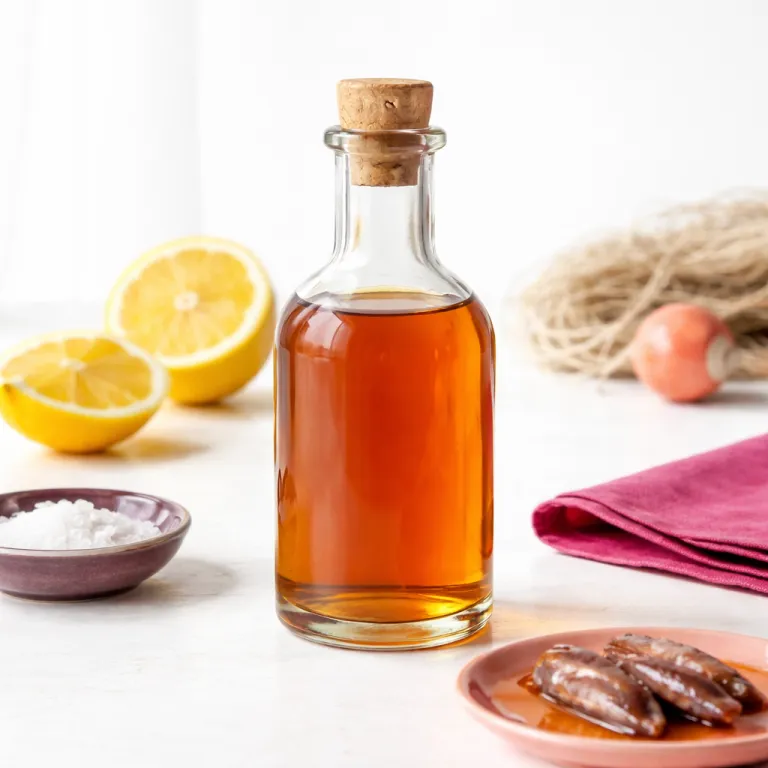
The colatura itself is a concentrated liquid obtained from fermenting alici in small wooden barrels called terzigni. It is technically an Italian fish sauce, yet it differs from any Asian fish sauce because the anchovy extract is filtered slowly and seasoned only with sea salt, never sugar or additives. As the Consorzio di Tutela explains, colatura di alici is “a clear, amber condiment obtained by the natural maturation of salted anchovies,” a definition now protected as a traditional specialty food.
Walk the harbor and you will still see anchovies being unloaded by Cetara fishermen, a rare sight on a coastline where many fleets have vanished. That active fish fleet matters for every anchovy colatura you will taste later, because the freshest alici from Cetara enter the barrels within hours of landing. For a solo traveler staying in a luxury hotel in Amalfi or Ravello, this working rhythm offers a sharp contrast to the curated calm of an infinity pool and gives context to every plate of spaghetti alla colatura you order.
From garum to glass bottles: understanding the colatura producers
Colatura has deep roots that run back to ancient Roman garum, revived by monks in the medieval period and refined in modern Cetara workshops. The production methods remain simple: layers of anchovies and sea salt are stacked in terzigni, then pressed until a clear fish sauce slowly emerges. In practice, the salted fish rest for months before the liquid is drawn off, clarified, and bottled as a highly concentrated seasoning.
Today, three names dominate most customer conversations in the village: Nettuno, Delfino and Armatore. Each producer treats colatura di alici as a flagship product, bottling both classic anchovy extract and special editions that highlight different flavor profiles. Typical bottles range from 100 ml to 250 ml, with prices that often start around the cost of a mid-range wine and rise for limited releases. When you step into their shops, a staff member usually opens window shutters or a tasting counter, offering a drop of anchovy colatura on bread with extra virgin olive oil so you can judge the flavor before you think about any price.
For travelers used to online carts and quick add cart decisions, this slow tasting ritual feels almost ceremonial. You will notice that customer reviews pinned on the wall rarely mention shipping cost or packaging first, but talk instead about how the sauce transformed simple pasta or fish dishes at home. To go deeper into how creative gastronomy and luxury hotel booking intersect on this coastline, read our guide on creative gastronomy and luxury hotel booking experiences on the Amalfi Coast, then return to Cetara with sharper expectations.
How luxury hotels use cetara colatura di alici in creative gastronomy
High end kitchens along the Amalfi Coast quietly rely on cetara colatura di alici the way sommeliers rely on a trusted vineyard. In Michelin star dining rooms from Amalfi to Positano, chefs use this Italian fish sauce as a seasoning rather than a dominant flavor, adding a few drops of colatura to finish a dish instead of a heavy ladle. The result is a clean, marine depth that makes seafood taste more like itself, not like a separate sauce.
At many luxury properties, the signature pasta course is some variation of spaghetti alla colatura di alici, often served with toasted breadcrumbs, garlic gently warmed in virgin olive or extra virgin olive oil, and a final drizzle of anchovy extract. When done well, the spaghetti feels almost weightless, yet the flavor lingers longer than any rich cream based pasta. Some chefs experiment with fish sauces from Asian traditions for comparison, but they usually return to colatura from Cetara because the anchovies caught here give a softer, rounder profile.
As a guest, you will notice how these kitchens treat colatura as both ingredient and story. Menus might reference specific producers, while staff explain that “Where is colatura di alici made? In Cetara, a fishing village in Campania, Italy.” That narrative adds value beyond the listed price, especially when paired with thoughtful wine choices and service that feels more like a conversation than a scripted performance, and it turns a simple plate of pasta or grilled fish into a memory anchored to a real harbor.
Eating in Cetara itself: where to order, what to ask for
Staying in a luxury hotel elsewhere on the coast, you might be tempted to treat Cetara as a quick photo stop. Resist that and plan at least one unhurried meal, because the best way to understand cetara colatura di alici is to eat it where the boats dock. Two addresses stand out for consistent quality and honest hospitality: Acqua Pazza and Al Convento.
At Acqua Pazza, start with crudo or marinated anchovy dishes that show how fresh alici can be when handled within hours of landing. Then move to spaghetti alla colatura di alici, where the pasta arrives glossy with olive oil, scented with garlic, and seasoned with just enough fish sauce to make every bite feel like the harbor at dusk. Staff here are used to solo travelers, so you can sit at the bar, ask about the content of each sauce, and compare different colatura expressions without any pressure.
Al Convento offers a slightly more rustic room but a similar respect for product and tradition. Order grilled fish or a simple pasta alla colatura, then ask which producer supplied the anchovy colatura that day and whether the chef prefers extra virgin or lighter virgin olive oil for finishing. You will often hear that “What dishes use colatura di alici? Commonly used in pasta dishes like spaghetti alla colatura di alici.”, yet in these kitchens it also appears in salads, on warm bread, and occasionally in playful tasting menus that rival any star restaurant for depth of flavor.
Designing a Cetara day from your luxury hotel: logistics, timing, and buying to take home
Reaching Cetara from most Amalfi Coast luxury hotels is straightforward if you respect the coastline’s rhythm. The SITA bus from Amalfi town winds along the cliffs and drops you a short walk from the harbor, while seasonal ferries sometimes stop here, giving you a sea level view of the village before the window opens onto the main piazza. Solo travelers will appreciate that the compact layout means you can move between fish market, producer shops, and trattorie in minutes.
Plan to arrive in the morning when the fish boats return, because that is when you feel the working character of Cetara most strongly. After watching the anchovies and other fish being unloaded, slip into a café for espresso, then visit producers to taste different fish sauces and compare price points before you decide what to place in your mental cart. If you intend to buy bottles of cetara colatura or other product for home, ask about shipping cost options and whether they can pack for air travel, then read any customer reviews displayed in store to understand how well the bottles survive long journeys.
Once you have eaten lunch at Acqua Pazza or Al Convento, you can return to Amalfi town by bus or ferry and slide back into the polished world of your hotel. That contrast between a star level dining room and a humble harbor trattoria is exactly what makes this coastline compelling for independent travelers. For ideas on where to stay when you want both sea views and serious kitchens, explore our guide to romantic Amalfi Coast hotels with breathtaking views and refined service, then choose a property whose restaurant speaks the same language as Cetara’s fishermen.
How to choose and use colatura once you are back at your hotel or home
Whether you are unpacking in a suite in Ravello or back in your own kitchen, the question becomes how to use cetara colatura di alici with the same restraint you tasted in Cetara. Start by treating it as seasoning, not as a heavy sauce, adding a teaspoon to warm olive oil or extra virgin olive oil with garlic before tossing it through hot pasta. Many food historians consider it a modern descendant of ancient Roman garum, concentrated but surprisingly elegant.
For a simple luxury level dish, cook spaghetti until just al dente, then dress it off the heat with a mixture of anchovy extract, olive oil, chopped parsley, and a spoonful of pasta cooking water. This spaghetti alla colatura di alici needs no cheese, only perhaps a side of grilled fish or vegetables, and it mirrors what you ate in Cetara without copying it blindly. You can also drizzle a few drops of anchovy colatura over steamed potatoes, grilled vegetables, or even a raw tomato salad, always remembering that a little will go a long way.
When buying more online later, treat the process as you would any considered luxury purchase. Read customer reviews carefully, check how each shop explains the content of its bottles, and pay attention to shipping cost and storage advice rather than chasing the lowest price or the fastest add cart button. In doing so, you respect not only the product and the anchovies that created it, but also the small community of Cetara whose identity and future remain tied to this quietly powerful liquid.
FAQ
What exactly is cetara colatura di alici ?
Cetara colatura di alici is a traditional Italian fish sauce made by fermenting layers of anchovies and sea salt in small wooden barrels until a clear, amber liquid emerges. The process descends directly from ancient Roman garum techniques that were revived by monks and preserved by Cetara fishermen. Unlike many Asian fish sauces, it contains only anchovy, sea salt, and time, giving a clean, elegant flavor.
How is colatura different from other fish sauces ?
Colatura is made exclusively from anchovies caught off Cetara and fermented in wooden barrels, which gives a softer, rounder taste than many Asian fish sauces that may use mixed fish and added sugar. The liquid is drawn off slowly and often aged further, resulting in a concentrated yet delicate seasoning. This makes it ideal for finishing pasta, vegetables, and fish rather than masking flavors.
Which dishes should I try in Cetara to taste colatura properly ?
The essential dish is spaghetti alla colatura di alici, usually served with garlic gently warmed in olive oil, parsley, and sometimes toasted breadcrumbs. You will find excellent versions at Acqua Pazza and Al Convento, where chefs balance the sauce so the pasta tastes bright and marine, not overly salty. You can also try simple bruschetta or salads dressed with a few drops to appreciate the purity of the product.
Can I visit colatura producers in Cetara ?
Yes, most major producers such as Nettuno, Delfino, and Armatore maintain small shops in Cetara where visitors can taste before buying. Staff often offer a drop of colatura on bread with extra virgin olive oil so you can compare flavor and intensity. These visits help you understand differences in production style and choose bottles that suit how you like to cook.
How should I store colatura di alici after buying it ?
Once opened, keep the bottle tightly sealed in a cool, dark place away from direct heat, much like a good olive oil. Refrigeration is not always required, but check the label from your chosen producer for specific advice. Used sparingly, a single bottle can last many months while retaining its characteristic aroma and flavor.
Sources
- Slow Food Italia – Presidia and traditional products from Campania
- Consorzio di Tutela della Colatura di Alici di Cetara – official production guidelines
- Ministero delle Politiche Agricole Alimentari e Forestali (MIPAAF) – traditional specialty recognition