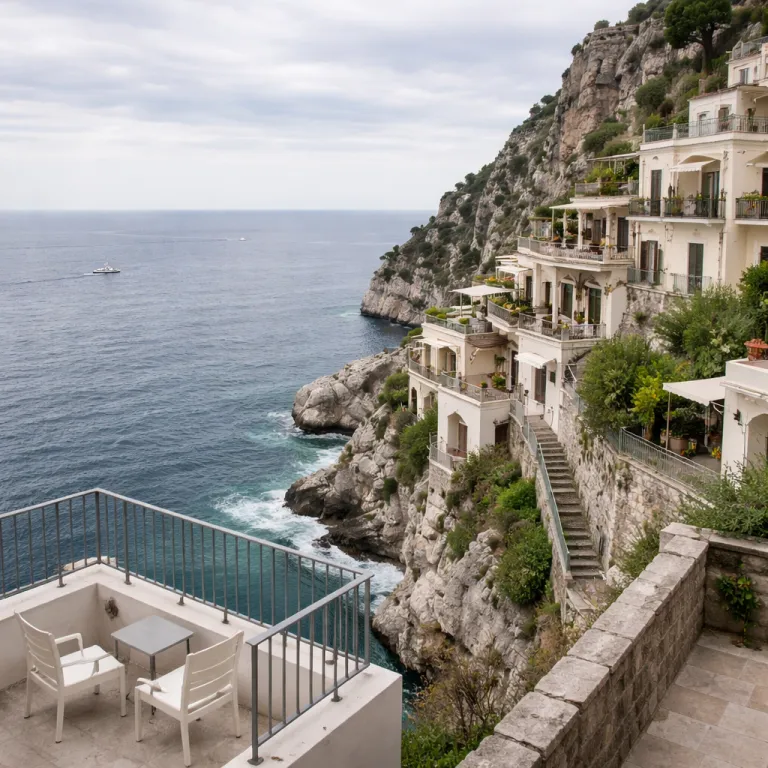
Understanding sea view language when choosing accommodation on the Amalfi Coast
When you start comparing accommodation on the Amalfi Coast, the phrase “sea view” appears everywhere. In reality, those two words can describe anything from a sweeping Tyrrhenian panorama to a narrow triangle of blue above a rooftop in a vertical town. If you want a genuinely beautiful outlook for your stay, you need to read room descriptions with the same care you would reserve for a wine list in a grand hotel, and pair them with photos, floor plans and detailed captions.
Across the coast of southern Italy, hotels use their own vocabulary for views, because Italian classification does not standardize “sea view” language at all. One hotel in Positano might call a front-facing balcony a “panoramic sea view suite”, while another in Amalfi town sells a similar room simply as “superior with balcony”, so the label alone tells you very little. When you compare Amalfi Coast accommodation options, focus on orientation, photos and floor plans rather than trusting the marketing adjectives, and always check whether image alt text or captions specify the exact room type shown.
Most properties along the Amalfi Coast will offer several categories such as “sea view”, “partial sea view”, “side sea view” and sometimes “front sea view”. A classic sea view room usually faces the water directly, while a partial sea view room often looks over the town first and then the coast, which can still feel very good if you enjoy watching local life. Side sea view rooms tend to sit at the edge of the building, so you see the sea when you step onto the balcony or lean out, which matters a lot if you are paying a premium for every night of your stay and want the view to match the description.
Orientation, elevation and the reality of views in each Amalfi Coast town
On this coastline, orientation matters more than elevation when you choose a place to stay. A fifth-floor room in a hotel in Amalfi facing inland can feel dark, while a second-floor room in Positano facing west can deliver golden light from breakfast to aperitivo time. When you evaluate places to stay along the Amalfi Coast, always ask which direction the rooms face rather than assuming higher automatically means better, and note whether the listing mentions sunrise, sunset or all-day sun.
Each town along the Amalfi Coast has its own geometry, and that geometry shapes what “sea view” really means. In Positano, the amphitheatre layout means many hotels and rooms look across the bay and back to the stacked houses, so even a partial sea view can feel cinematic. In Amalfi town and neighbouring Atrani, the valley narrows quickly, so some hotels sit behind the main road and offer angled views over rooftops; this is where reading an insider guide to a less obvious village next door, such as an article about how Atrani is not Amalfi, helps you understand the streets before you book and choose the right neighbourhood.
Ravello sits high above the coast of Italy, so a sea view there is always distant but often spectacular, especially from terraces that float above the gardens. Sorrento faces the Bay of Naples rather than the open Amalfi Coast, which means you trade proximity to the beach for wider horizons and easier day trips to Capri or Pompeii. When you compare towns along the Amalfi shoreline, decide whether you want to wake to the sound of waves under a private beach or prefer a central location in a larger town with more restaurants, shops and ferries, bearing in mind that hydrofoils between Sorrento, Positano and Amalfi typically run every 30–60 minutes in high season.
Quick comparison of typical sea view experiences by town
- Positano: Steep amphitheatre, many front-facing balconies, dramatic bay views, higher average prices.
- Amalfi & Atrani: Narrow valley, more angled outlooks, mix of road, rooftop and sea in one frame.
- Ravello: Elevated hill town, distant but sweeping panoramas, quieter evenings.
- Sorrento: Clifftop plateaus, broad Bay of Naples vistas, strong ferry connections.
Balconies, terraces and the fine print behind every sea view promise
Balconies are where the romance of a sea view either lives up to the photos or quietly collapses. A room description on an Amalfi Coast hotel listing might say “sea view with balcony”, but that balcony could be a Juliet railing you cannot step onto or a generous terrace with loungers and space for children to play. Before you book, check whether the balcony is private, shared or simply a window with a railing described in optimistic language, and look for floor plan diagrams or captions that clarify depth in metres.
Private terraces are most coveted in towns like Positano and Praiano, where breakfast on your own outdoor table feels like the real luxury, not just the star rating of the hotel. Some of the best-known hotels, such as Le Sirenuse or Il San Pietro di Positano, pair large terraces with a true front-facing sea view, while others in the same town offer shared corridors that double as outdoor spaces, which can feel less special for a premium night rate. When a property like Casa Angelina in Praiano or a classic grand hotel in Sorrento advertises a panoramic terrace, ask whether that space is attached to your suite or shared with other rooms, and request labelled photos with clear alt text indicating “private terrace – junior suite” or similar wording.
Families often benefit from one larger terrace rather than two small balconies, especially when travelling with young children who nap at different times of the day. If you are booking two rooms in a hotel on the Amalfi Coast, consider reserving one sea view suite with a big terrace and one more modest room behind, then rotate who enjoys the front row each evening. This strategy can keep the overall cost of your stay reasonable while still giving everyone time on the balcony they imagined when they chose this stretch of the Italian coast for a holiday, particularly in peak months when front-facing rooms can cost 20–40% more than rear categories.
How to verify your sea view before you book a luxury stay
Verifying the view before you commit is the single most effective way to avoid disappointment with accommodation on the Amalfi Coast. Start by studying the hotel’s own map or floor plan if available, then cross-check the building on Google Earth or satellite view to understand how it sits above the beach and the town. This simple step reveals whether your chosen hotel faces the open sea, a cliff wall or the back of another property, and helps you interpret marketing photos more realistically.
When you contact hotels directly, ask for photos or a short video from the exact room category and, if possible, from a specific room number. Many family-run hotels on the Amalfi Coast, including long-established names in Amalfi town and Positano, are used to such requests and will happily send images, because they know repeat guests care deeply about their favourite rooms. You can also ask whether the sea view is obstructed by trees, neighbouring Positano villa rooftops or a pool area canopy, which often appears only in summer when shade structures are installed and can partially block the horizon from lower floors.
For high-end stays, it is worth emailing the reservations team with very clear questions about orientation, balcony depth and privacy. Ask whether the room faces west for sunsets or south for all-day sun, and whether the swimming pool or private beach is visible from your balcony, which can be a delight or a noise issue depending on your family’s rhythm. If wellness is a priority, consider pairing a strong sea view room with a property that invests in serious spa facilities, such as a dedicated head spa concept in Furore described in an in-depth wellness opening feature, so your time on the Amalfi Coast balances scenery with genuine relaxation and not just time on the terrace.
Family strategies for sea view rooms, suites and connecting options
Premium families travelling along the Amalfi Coast face a specific puzzle: how to secure a memorable sea view without paying for four front-row rooms. The smartest approach is usually to reserve one top-tier sea view suite and one or two secondary rooms behind, then share the terrace time between adults and children. This works especially well in stepped towns like Positano, where a single large terrace can feel like an extra living room above the coast and becomes the natural gathering point before dinner.
When you compare Amalfi Coast hotel listings, look for properties that offer guaranteed connecting rooms rather than “on request” only. A grand hotel in Sorrento or a classic property in Ravello often has more inventory of interconnecting rooms than a tiny cliffside hotel in Praiano, which gives you better odds of keeping the family on one corridor. In Amalfi town and other compact villages along the coast, some hotels will connect a sea view room with a courtyard room behind, which can be ideal if younger children go to bed earlier and need a quieter space away from the main road and evening bar terraces.
Think carefully about how your family actually uses the room during the day and at night. If you spend most of the day on the private beach, by the swimming pool or on day trips along the coast of Italy, you may not need every room to have a full sea view, only the main place to stay where you gather before dinner. For longer stays, paying for one excellent sea view suite in a central location close to ferries and restaurants often delivers better value than multiple mid-range rooms with compromised views scattered across steep staircases, especially when you factor in luggage, pushchairs and tired children at the end of the evening.
Where sea views are consistently worth the premium on the Amalfi Coast
Not all sea views on the Amalfi Coast are created equal, and some addresses justify their premiums more reliably than others. In Positano, Le Sirenuse and Il San Pietro di Positano have earned their reputations because many rooms offer a strong sea view, and the public terraces extend that feeling of immersion in the bay. Villa Treville, once Franco Zeffirelli’s private Positano villa, wraps its suites around gardens that tumble towards the water, so the sense of theatre is built into the landscape rather than added by marketing.
In Amalfi town, Hotel Santa Caterina is one of the rare hotels where the combination of clifftop position, elevators to a private beach and layered terraces means several categories enjoy a direct outlook, not just the top suites. Over in Sorrento and nearby Anacapri, properties such as Hotel Caesar Augustus and long-established grand hotel names along the marina front offer wide-angle views over the Bay of Naples, which feel different from the vertical drama of the central Amalfi Coast but no less compelling. When you read a detailed review of Positano’s most storied hotel unveiling a new beach club at Nerano, you see how some properties extend the sea view experience beyond the rooms into curated coastal experiences and full-day boat itineraries.
Across the region, local booking platforms list a relatively small number of hotels for such a famous coastline, and guest ratings frequently sit in the upper ranges of review scales, which shows how high expectations already are. For your own stay, focus on properties where the majority of rooms share a similar orientation, because that usually means fewer disappointments and more transparent pricing. The best hotels on this stretch of coast in Italy understand that a clear, honest sea view is not just a selling point but the heart of why travellers choose this place to stay year after year, and they tend to show that view clearly in galleries, floor plans and room descriptions.
Key figures and data about Amalfi Coast accommodation
- Regional booking platforms list a limited number of hotels across the main Amalfi Coast towns, which means desirable sea view categories can sell out quickly in peak months, often 4–6 months before July and August.
- Average hotel ratings on major review sites tend to be high, reflecting strong guest satisfaction with service, rooms and views, although scores vary by property and season.
- Accommodation operates year-round but with strong seasonal variation, so travellers who book in spring or early autumn often secure better sea view categories at lower rates, sometimes 15–30% below peak summer prices.
- Properties range from historic monasteries converted into luxury hotels to contemporary seaside retreats, reflecting a long timeline from medieval foundations to modern renovations.
- Local tourism boards and travel agencies report growing demand for experiential stays, which pushes hotels to invest more in terraces, pool areas and private beach access.
- High-season nightly rates for front-row sea view rooms in flagship towns like Positano and Amalfi frequently start in the mid-hundreds of euros and rise into four figures for suites, while secondary towns such as Minori or Maiori often remain more accessible.
FAQ about sea view accommodation on the Amalfi Coast
What is the best time to visit the Amalfi Coast for sea view stays ?
Spring and early autumn offer pleasant weather and fewer crowds, which makes it easier to book front-facing sea view rooms and suites at leading hotels. Light is softer, temperatures are comfortable for terraces and pool areas, and rates are usually lower than peak summer. Families also find transport between towns more manageable at these times, with ferries and buses busy but not yet at full capacity.
Are there budget friendly rooms with a sea view on the Amalfi Coast ?
Yes, there are guesthouses and smaller hotels in towns like Minori, Maiori and parts of Sorrento that offer partial or side sea view rooms at more accessible prices. These properties may sit one or two streets back from the beach, so the view includes both rooftops and water, but the trade-off can be excellent value. Booking early and avoiding peak holiday periods increases your chances of securing these rooms, especially if you are flexible on exact town and balcony size.
Is it necessary to rent a car to reach sea view hotels ?
It is not essential to rent a car, because public buses, private transfers and ferries connect most Amalfi Coast towns efficiently. Many sea view hotels in Amalfi, Positano and Sorrento sit close to ferry piers or bus stops, which makes a central location more practical than parking access. Families who prefer not to drive on narrow coastal roads often rely on a mix of transfers and boats, using the frequent summer hydrofoils as a scenic way to move between towns.
How can I be sure my room really has a sea view before I book ?
The most reliable method is to contact the hotel directly and request photos or a short video from the exact room category you plan to reserve. You can also compare the building’s position on satellite maps to understand orientation and potential obstructions from other structures. Clear written confirmation from the reservations team about balcony type and direction provides extra reassurance, especially when combined with floor plans and image captions that specify “actual view from room type”.
Are there accommodation options with both a swimming pool and a private beach ?
Several high-end hotels along the Amalfi Coast combine clifftop swimming pools with elevators or paths down to a private beach club. Properties in Amalfi town, Positano and Praiano are particularly known for this layered design, which lets guests move easily between pool area and sea. These combinations are popular with families, so they often sell out early in peak months, and sea view room categories attached to these facilities usually command the highest nightly rates.