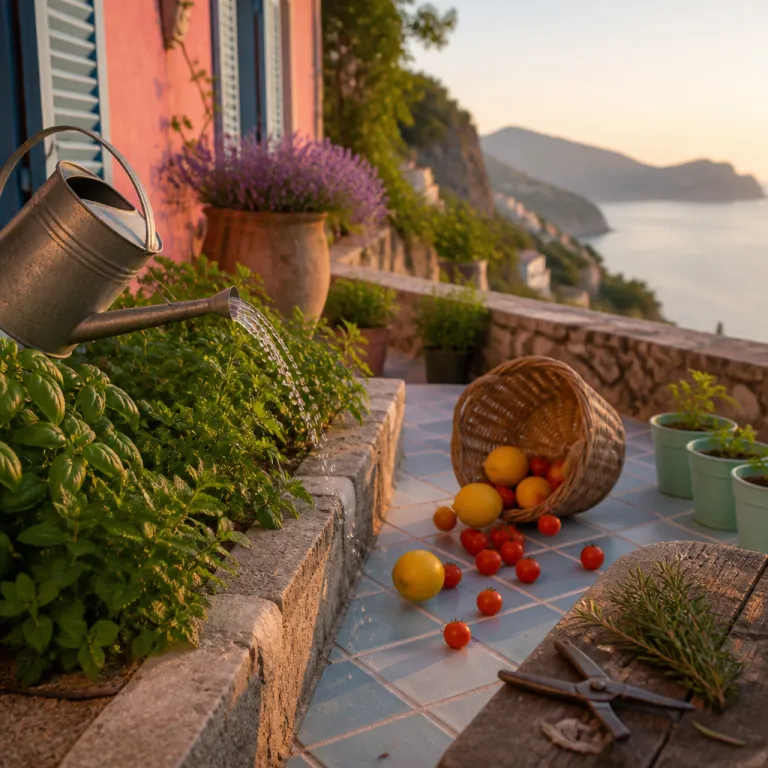
Why amalfi coast hotel dining starts in the garden, not the kitchen
On this coastline, the most interesting Amalfi Coast hotel dining often begins in soil carved from rock rather than in a polished open kitchen. When a luxury hotel commits to growing its own food on a cliff, the entire restaurant experience shifts from simple sea-view spectacle to something far more intimate and precise. You feel it the moment you walk past a terrace of basil and lemons on your way to the bar or dining room, the scent of the garden cutting through the salt air and framing the first bites of the evening.
Land is the rarest currency on the Amalfi Coast, so every terrace used for a kitchen garden is a deliberate choice rather than an aesthetic afterthought. Hotels like Santa Caterina in Amalfi, Anantara Convento di Amalfi Grand Hotel, La Pergola Amalfi, Il San Pietro di Positano, and Villa Treville in Positano have each decided that a few more loungers or another cocktail station matter less than rows of tomatoes, herbs, and zucchini flowers. That decision changes what arrives on your plate and what you see when you look out over the iconic views that made this stretch of coast famous.
For couples planning an Amalfi Coast hotel dining–focused stay, this garden-first philosophy is a quiet filter that separates marketing from substance. A hotel that can walk you from your room to its terraced plots before dinner usually offers a more grounded dining view than one that only sells you sunset photos. When you are comparing options online, pay as much attention to mentions of kitchen gardens and produce as you do to the promise of wide-open Positano views from every terrace or bar stool.
What actually grows on a vertical coastline
Cliffside gardens on the Amalfi Coast are not romantic abstractions; they are working plots with strict limits. The steep terraces behind each hotel restaurant tend to focus on high-impact ingredients that transform both simple food and more elaborate Michelin-starred cuisine. Expect to see basil, rosemary, mint, wild fennel, cherry tomatoes, zucchini, and several lemon varieties thriving in narrow beds that cling to the rock and frame the view.
Heavier produce and most proteins still come from inland farms and the sea, which keeps the relationship between garden and menu honest rather than performative. Even at a starred restaurant, the chef might pair garden mint and zucchini flowers with fish landed that morning in Amalfi, while relying on long-term partners in the Valle dei Mulini for potatoes or larger vegetables. This balance is what makes Amalfi Coast hotel dining compelling rather than gimmicky, because the garden shapes the cuisine without pretending to replace the broader supply chain.
When you read about a dining experience at a Michelin-starred hotel restaurant, look for specifics about what the garden actually supplies rather than vague references to local produce. A serious property will tell you which herbs, which citrus, and which seasonal vegetables are grown on site, and how they appear in both tasting menus and more casual bar bites. For a deeper map of where the most ambitious starred restaurant kitchens sit along the coast, recent Michelin guides and regional tourism reports on Amalfi Coast dining are useful companions when you plan.
How chefs plan menus when the garden sets the rules
Once a hotel commits to a serious kitchen garden, the chef’s calendar starts on the terrace rather than in the supplier’s inbox. Menu planning for Amalfi Coast hotel dining becomes a negotiation between what the cliff will grow, what the season allows, and what the restaurant needs to serve couples expecting both romance and precision. That is why you will often see the same herb or lemon variety echoing from aperitivo cocktail to dessert, used differently but clearly from the same plot.
At La Pergola Amalfi, the family-run team leans on its terrace gardens for herbs and citrus that define both the main restaurant and the more relaxed bar menus. Up in Positano, Il San Pietro di Positano and Villa Treville rely on organic gardens that feed a cuisine which feels intensely site-specific, with cherry tomatoes and basil harvested at dusk and on plates before the dining view fully fades into night. Across the coast, chefs at properties like Anantara Convento di Amalfi Grand Hotel use these gardens to test new combinations in small quantities before scaling them into full menus.
Seasonality is not a marketing line here; it is a constraint that shapes what you actually eat during your stay. When basil is at its peak, you might find it in chilled soups, grilled fish marinades, and even in a light sorbet served with a panorama of Positano and the sea stretching beyond the terrace rail. During shoulder seasons, mint, rosemary, and preserved lemons step forward, and the best dining experience often comes from a chef willing to say no to a dish because the garden says it is not the right week.
For travelers who care about where their food comes from, this garden-led approach also connects naturally with inland producers. Many of the same hotels that grow herbs and citrus on site work with small vineyards and farms in the hills of Tramonti, where families still tend vines and press their own wine. Local tourism offices and producer associations regularly highlight these links between the vertical coastline and its hinterland, and their summaries of Tramonti wine country and family estates are essential reading before you book.
From garden tour to terrace table: designing the guest experience
On a well-run property, the kitchen garden is not just a backstage asset; it is part of the guest journey. Many Amalfi Coast hotels now weave the garden into their hospitality, offering guided walks between stone walls, tastings of just-picked tomatoes, and even small classes where you mix your own cocktail with herbs you have cut yourself. This is where Amalfi Coast hotel dining becomes a full experience rather than a single meal with a pretty view.
Hotels like Santa Caterina and Anantara Convento di Amalfi Grand Hotel often schedule late-afternoon garden tours that end on a terrace bar, where the barman folds garden mint or basil into a spritz while the sea turns silver. At Villa Treville in Positano, staff might lead you through organic plots before a private dinner, so that the iconic Positano views famous worldwide become only one layer of the evening. La Pergola Amalfi, with its family-scale gardens, shows how even a smaller hotel can turn a few terraces into a narrative that runs from soil to plate.
These experiences also answer a growing desire for purposeful travel, where couples want to understand how their presence affects the coast rather than just consume it. When you can see composting in a corner, irrigation lines running along the stone, and chefs clipping herbs minutes before service, sustainability stops being a line on a website and becomes something you can actually read in your food. Regional wellness surveys and hospitality case studies often note how local ingredients shape spa rituals as well as cuisine, which helps explain why so many Amalfi Coast spas smell of lemons and herbs drawn from nearby gardens.
When growing on a cliff makes economic sense
Behind the romance of cliffside gardens sits a hard question: when does it actually make financial sense for a hotel to grow its own produce? Terraces require constant maintenance, water is expensive, and every square metre used for basil is a square metre not used for sunbeds or another high-margin cocktail bar. The hotels that commit to serious gardens on the Amalfi Coast do so because the return is measured in guest loyalty, reputation, and the kind of word of mouth that no marketing budget can buy.
For a Michelin-starred or aspiring starred restaurant, having a visible, productive garden can justify tasting menu prices by showing guests exactly where part of the value lies. When a couple sees chefs harvesting herbs at sunset, then tastes those same notes in a sequence of dishes, the dining experience feels anchored and the premium on the bill feels more rational. In a region where tourism authorities estimate that several million visitors arrive each year, properties that can offer this depth stand out from those relying only on a generic dining view and a long wine list.
Economically, most hotels use their gardens for high-flavour, low-volume ingredients rather than staples, which keeps costs controlled while maximising impact. Lemons, herbs, edible flowers, and small vegetables travel straight from terrace to kitchen, while bulk items still come from established farms and markets in Amalfi and the surrounding valleys. As one local summary of Amalfi Coast food culture puts it, “Hotels like Santa Caterina, Anantara Convento, La Pergola, Il San Pietro, and Villa Treville have cliffside gardens that shape their cuisine.”
For you as a traveler, the practical takeaway is simple yet powerful. When comparing Amalfi Coast hotel dining options, look for properties that explain how their gardens fit into both their cuisine and their broader sustainability strategy, rather than those that treat a few pots of basil as decoration. That level of transparency is often a better indicator of quality than any promise of iconic views or a bar menu filled with elaborate cocktails.
How to choose your cliffside table: practical booking guidance
Translating all this into an actual booking decision means asking better questions before you commit. When you contact a hotel, ask how their kitchen garden influences both the main restaurant and any more casual bar or terrace spaces, and whether you can visit the plots during your stay. Serious properties will answer quickly and specifically, because the garden is part of their identity rather than a hidden back-of-house detail.
Pay attention to how each hotel describes its views and its food together, not as separate selling points. A strong Amalfi Coast hotel dining offer will link the view from your table with what is on the plate, explaining which elements come from the property’s own terraces and which from trusted local partners. If a hotel in Positano talks at length about dramatic sea views but says little about ingredients, you are likely paying more for the panorama than for the cuisine.
Once you have narrowed your list, look at how many different dining experiences the property can offer without leaving the estate. An ideal stay might include a formal dinner in a starred restaurant, a more relaxed evening on a terrace with simple bites and a well-made cocktail, and perhaps a garden-side lunch where the focus is on vegetables and herbs. To keep your planning smooth, visit during the shoulder seasons when the coast is quieter, book key meals in advance, and always ask the hotel to note your interest in garden-related activities on your reservation.
FAQ
Which Amalfi Coast hotels have serious cliffside kitchen gardens
Several leading properties integrate working gardens directly into their dining programs. Hotel Santa Caterina in Amalfi, Anantara Convento di Amalfi Grand Hotel, La Pergola Amalfi, Il San Pietro di Positano, and Villa Treville in Positano all cultivate terraces that supply their kitchens with herbs, citrus, and seasonal vegetables. These gardens support both fine-dining restaurants and more relaxed bar menus.
Can guests visit the hotel gardens during their stay
Many Amalfi Coast hotels with kitchen gardens offer guided tours or informal visits for guests. These walks often take place in the late afternoon and may end with a tasting or aperitivo on a nearby terrace. It is wise to request garden access when you book, as spaces and times can be limited.
How much of the restaurant menu comes from the hotel garden
Hotel gardens on the Amalfi Coast usually focus on high-flavour ingredients such as herbs, lemons, and small vegetables. Heavier produce and most proteins still come from local markets and inland farms, which keeps menus balanced and reliable. The garden’s main role is to define the character of the cuisine rather than to supply every ingredient.
Are these garden focused hotels open all year
Most of the major Amalfi Coast hotels with established kitchen gardens operate for a long season, and some remain open year-round. Opening dates can vary depending on renovation schedules and local demand. Always check directly with the hotel for current operating periods before planning a stay built around dining.
Do I need to book garden related dining experiences in advance
Reservations are strongly recommended for any special dining experience that involves the garden, such as terrace tasting menus or chef-led tours. These events often have very limited capacity because they use small spaces and rely on what the garden can supply that day. When you secure your room, ask the reservations team to note your interest so the restaurant can plan accordingly.