Vietri ceramics on the Amalfi Coast: where the visual identity begins
Step off the train at Vietri sul Mare and the first thing you notice is color. The town rises steeply from the mare, every stair and piazza edged with ceramics that quietly define how travelers picture the Amalfi Coast. Here, the visual language of hand-painted tiles, lavastone tables and glazed pottery is not decoration but a living tradition that still shapes how luxury hotels present themselves.
This compact town in southern Italy has worked clay for more than four hundred years, and the ceramica vietrese heritage is visible on church domes, marina railings and even humble door numbers. Local artisans in Vietri sul Mare still throw ceramic forms by hand, then pass them to painters who turn simple Italian ceramics into narrative panels of lemons, saints and maritime scenes. When you walk from the Marina di Vietri waterfront up toward the historic center, every corner opens like a curated gallery of colors and patterns.
For travelers booking a premium stay along the Amalfi Coast, understanding this ceramic tradition changes how you read a hotel lobby or terrace. A corridor paved in mass-produced tiles feels generic, while a staircase lined with authentic Vietri ceramics tells you the property invests in local art rather than anonymous imports. The best luxury hotels from Vietri sul Mare to Amalfi town treat Vietri-style pieces as featured elements in their design story, commissioning handmade panels that reference the coast’s maritime past and the Arab-Norman influences that once arrived by ship. At properties such as Hotel Raito in Vietri sul Mare or the historic Hotel Luna Convento in Amalfi, named collaborations with local studios are often highlighted in design notes and concierge materials.
From medieval kilns to modern commissions: how Vietri’s ceramic district evolved
Vietri’s ceramic story begins with geography and trade, not with tourism. The town’s position at the gateway to the Amalfi Coast made it a natural port for clay, glazes and exotic pigments that arrived by sea and moved inland toward Amalfi and beyond. Over centuries, local workshops absorbed Arab and Mediterranean motifs, creating a distinct ceramica style that still sets Vietri pottery apart from other Italian products.
From the late nineteenth century into the 1930s, a wave of German and Central European artists settled here, a period documented in the Museo della Ceramica in Villa Guariglia (Vietri sul Mare, provincial museum records) and in the archives of the Istituto Centrale per il Catalogo e la Documentazione in Rome. Figures such as Richard Dölker (active in Vietri from the 1920s) and Irene Kowaliska (who arrived in the early 1930s) worked with Vietri’s kilns, shifting production from purely functional pottery to more expressive art. That era brought new color combinations, figurative panels and experimental lavastone tables that could withstand salt air on terraces sul mare. Some of those early commissions still survive in villas near Amalfi and in churches dedicated to San Giovanni and other saints, where painted Vietri tiles narrate biblical scenes in luminous blues and yellows.
Today, the district balances tradition and innovation, with ceramica vietrese studios such as Ceramica Solimene, Ceramica Artistica Avallone and Ceramica Vietri Antico collaborating on hotel projects, restaurant tabletops and even stage sets for cultural events in Ravello and Amalfi. When you attend a concert at the Ravello auditorium, decoded in detail for design-minded travelers in this guide to the summer festival’s architecture and atmosphere, you are seeing the same coastal light that Vietri painters trap in glaze. For guests choosing a luxury property, asking which local ceramic studio supplied the tiles is as revealing as checking the wine list or spa menu.
How to read a tile: spotting genuine hand painted Vietri ceramics
Not every lemon plate in a souvenir shop reflects the depth of Vietri’s ceramic tradition. When you browse Vietri-made pieces in town or in a hotel lobby, start by looking at the glaze surface and the brushwork rather than the price tag. Genuine hand-painted Vietri ceramic work shows slight variations in line and color, while mass-produced imports often look flat, overly shiny and mechanically perfect.
Authentic Italian ceramics from Vietri sul Mare usually carry a studio mark on the back, sometimes including the town name, the artisan’s initials or a reference to ceramica vietrese. Run your hand lightly over the surface; you should feel the subtle relief of painted strokes, especially on larger art panels or lavastone tables designed for terraces sul mare. Colors tend to be saturated but never harsh, with blues, greens and yellows that echo the Amalfi sea, the coastal vegetation and the warm stone of the town’s alleys.
Workshops led by local artisans, including master potter Elvira (known locally for majolica teaching) and teachers at smaller family-run studios, give travelers a direct way to understand the difference between tourist products and serious ceramic art. During these sessions, which answer questions like “What is majolica?”, “Can beginners join the workshops?” and “Are the ceramics functional? They are both decorative and usable.”, you learn how tin glaze reacts in the kiln and why certain color combinations are harder to achieve. For solo travelers booking through a luxury and premium hotel platform, choosing properties that arrange such workshops or that highlight featured products from named studios is a reliable indicator of quality and cultural engagement.
For a deeper dive into how high-end properties curate these experiences across the coastline, the editorial guide to cultural excursions for discerning travelers explains how ceramics, music and food tours can be woven into a single stay. Use that as a framework, then layer Vietri’s ceramic trail on top for a stay that feels both polished and personal. The result is an itinerary where every tile, from hotel lobby floor to Marina di Vietri staircase, becomes part of your own travel narrative.
When hotels get it right: ceramics as a true design language
Across the Amalfi Coast, luxury hotels fall into two clear camps when it comes to ceramics. Some treat tiles as generic Mediterranean decoration, scattering bright plates and bowls around lobbies without context or connection to Vietri’s tradition. Others work closely with ceramica vietrese studios to create a coherent ceramic language that runs from the reception desk to the spa, the pool deck and the rooms sul mare.
In the best properties, a corridor lined with hand-painted panels might reference the maritime republic of Amalfi, while lavastone tables on the terrace carry motifs inspired by nearby San Giovanni churches or by the fishing life of Marina di Vietri. Guestrooms often feature a single statement wall of Vietri ceramic tiles behind the bed, using restrained colors that echo the coast outside rather than competing with the view. These hotels sometimes commission bespoke pottery for in-room amenities, turning simple Italian products like soap dishes or espresso cups into small works of art that guests can later order as gift card items.
Thoughtful integration goes beyond aesthetics and into movement and comfort, especially on this famously vertical coastline. A property that invests in locally made ceramic stair risers, hand-painted signage and durable terrace flooring is usually also the kind of place that has considered how guests navigate its many levels, a topic explored in depth in this analysis of the vertical coastline problem and hotel staircase design. When you evaluate a hotel online, look closely at photos of stairs, corridors and pool decks; authentic Vietri ceramics used intelligently often signal a serious approach to both design and guest experience.
A solo traveler’s ceramic trail: from workshop bench to hotel lobby
Vietri sul Mare is compact enough that a solo traveler can trace its ceramic story in half a day without a guide. Start early in the Marina di Vietri area, where the sea light hits the tiled walls and staircases that climb toward the historic town center. From there, follow the main street uphill, stopping at two or three ceramica vietrese workshops that welcome visitors into their painting rooms and kiln spaces.
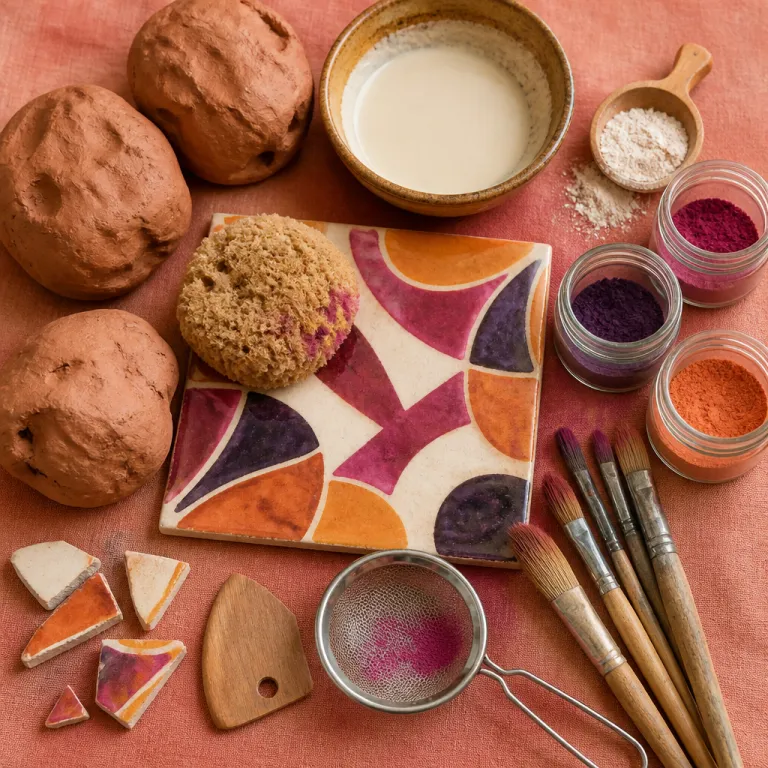
Many studios offer short majolica sessions lasting two to three hours, where you sit at a bench with brushes in hand and create your own hand-painted tile or small piece of pottery. These workshops, often run in partnership with local tour operators and luxury hotels, use traditional methods such as clay modeling, glazing and freehand decoration on ceramic forms. Wear comfortable clothing, allow time for firing if you plan to collect your Italian ceramics later in the trip, and consider using a hotel gift card to book the experience through your chosen property.
As you move between studios, pay attention to how different artisans interpret the same motifs, from lemons and fish to saints like San Giovanni Battista, sometimes referenced as Giovanni Battista in older panels. Some spaces display archival pieces from the early twentieth-century German colony, while others highlight contemporary featured products that play with abstract decorations or minimalist lines. By the time you return to your hotel lobby on the Amalfi Coast, the tiles underfoot will read differently; you will see the hand, the tradition and the art behind every painted Vietri surface, and you will understand why Vietri ceramics on the Amalfi Coast are far more than a backdrop for your aperitivo.
FAQ about Vietri ceramics and Amalfi Coast stays
What is special about Vietri ceramics on the Amalfi Coast?
Vietri ceramics on the Amalfi Coast stand out because they combine centuries of local tradition with influences from Mediterranean trade routes, especially Arab and Norman motifs. Artisans in Vietri sul Mare still shape and paint each ceramic piece by hand, using tin glazes and vivid pigments that capture the colors of the sea and cliffs. When luxury hotels source tiles and pottery directly from these studios, they bring an authentic layer of regional art into their design.
Can beginners join ceramic workshops in Vietri sul Mare?
Yes, beginners are welcome in most Vietri sul Mare workshops, and many sessions are designed specifically for travelers with no prior experience. Classes usually last two to three hours and cover basic techniques such as hand-painting, simple clay modeling and glazing on small ceramic pieces. Instructors guide you step by step, so you leave with a functional souvenir and a clearer understanding of the local tradition.
Are Vietri ceramics functional or only decorative?
Most Vietri ceramics are made to be both functional and decorative, reflecting the town’s history of producing everyday pottery for coastal households. Plates, bowls, jugs and lavastone tables are fired at high temperatures, making them suitable for regular use in kitchens, dining rooms and outdoor terraces. When you buy from reputable ceramica vietrese studios or from hotels that partner with them, you can expect durable products that perform well as tableware.
How can I tell if a hotel uses authentic Vietri ceramic pieces?
Look for signs of collaboration with named Vietri sul Mare studios, which many serious properties mention in their design descriptions or concierge materials. Authentic tiles and pottery usually show subtle variations in brushwork, a studio mark on the back and color palettes that echo the local landscape rather than generic patterns. If a hotel can explain which artisan created its lobby panels or terrace tables, that transparency is a strong indicator of genuine Vietri ceramics.
How should I plan a ceramic themed half day on the Amalfi Coast?
Base yourself in Vietri sul Mare or nearby Amalfi town, then dedicate a morning or afternoon to walking between two or three workshops within the Vietri district. Book at least one hand-painted majolica session in advance, leaving time afterward to browse finished products and photograph ceramic-lined streets and staircases. Finish at your hotel or a seaside café, where you can look at the tiles around you with a new appreciation for the artisans behind them.