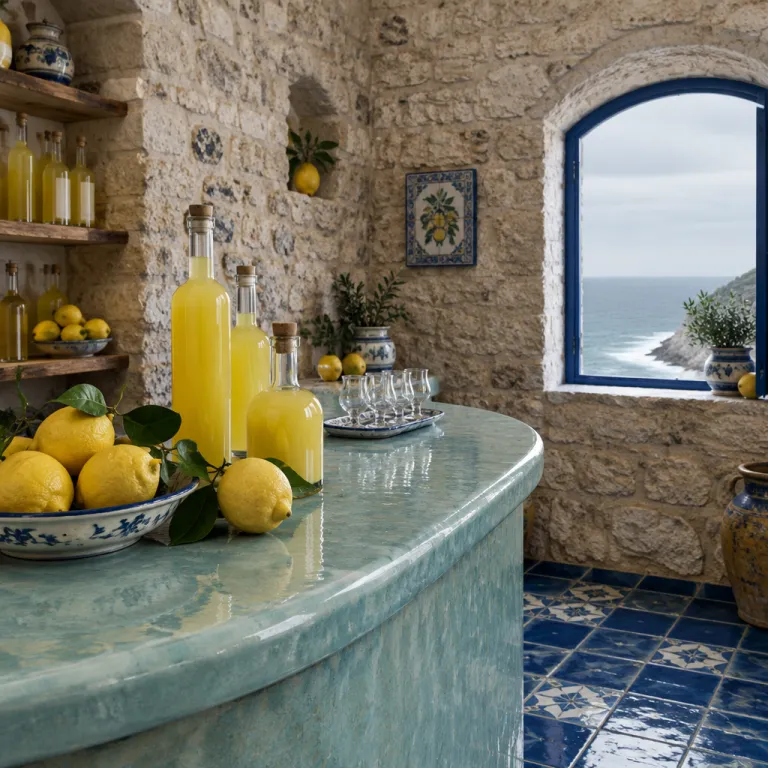
The sfusato Amalfitano and why your hotel booking should care
The Amalfi Coast runs on a single elongated lemon that shapes everything. The sfusato Amalfitano, grown on steep terraces above the sea, defines any serious Amalfi Coast limoncello tasting and quietly separates working estates from postcard props. When you choose a luxury hotel in Amalfi or Ravello, you are also choosing how close you sleep to these lemon trees and how easily a concierge can unlock their cellars.
This protected Amalfi lemon is not just garnish on a beautiful lemon cake or a bright slice beside grilled fish. Its thick, fragrant peel and low acidity make it perfect for limoncello lemon infusions, for a tour lemon through old cellars, and for a cooking class where the chef shaves zest over handmade pasta. A thoughtful hotel in the heart Amalfi or in quieter villages will often maintain relationships with families who farm these lemon groves, which means your stay becomes an agricultural experience rather than a gift shop stop.
For travelers arriving from the United States or the United Kingdom, this context matters as much as the sea view or the thread count. A property that understands the sfusato will recommend a private lemon tour at the right time of day, arrange a meeting point that avoids the crowds, and send you to estates where the host still works the land. When you scan the book info on a luxury and premium hotel booking website, look for language about terraces, lemon garden access, and seasonal experiences rather than vague promises of an "authentic" tour.
Inside the cellar: from peel to glass in autumn quiet
Step below an Amalfi lemon pergola in late season and the air changes. The heat softens, the crowds thin, and the stone staircases down to the limoncello cellar feel like a private passage rather than a queue. This is when an Amalfi Coast limoncello tasting becomes a slow experience, not a rushed stop between a boat tour and a sunset spritz.
In a traditional cellar, the host will show you crates of hand picked lemons, their skins almost white with essential oils. The process is deceptively simple and works especially well with sfusato peel ; the zest steeps in neutral alcohol for weeks, then is married with water and sugar until the limoncello turns a soft, opaque yellow. Autumn suits this ritual because the terraces above are quieter, the lemon groves are being pruned, and the same family who tends the lemon trees often comes down to pour your glass and talk about the work.
Many luxury hotels along the Amalfi Coast now curate this kind of cellar visit as part of their culinary programming. A concierge might pair your tasting with an autumn food itinerary, linking it to a long lunch focused on seasonal menus that turn from sea to chestnut and walnut, as explored in this guide to autumn on the Amalfi plate. When you evaluate properties online, look for those that frame limoncello lemon tastings as part of a wider seasonal narrative, not just a complimentary shot at check in, because that is where the great experiences live.
Terraces, pergolas and the vertical work behind every glass
From a distance, the Amalfi Coast looks like a cascade of houses and sea views. Climb one level above your hotel’s pool, however, and you often find a lemon garden held up by chestnut poles and hand tied pergolas. This vertical farming is the quiet engine behind every Amalfi Coast limoncello tasting, and it is where a private tour becomes genuinely revealing.
A well designed lemon tour usually starts in the garden rather than the cellar, with a meeting point under the shade of the pergola. Here the host explains how the terraces are built stone by stone, how the lemon trees are trained horizontally to catch the light, and why every crate of fruit is carried by hand rather than machine. When a hotel arranges a private lemon walk through these groves, you see why an Amalfi perfect sea view often hides an even more amazing agricultural landscape just behind it.
Some estates now pair this walk with a short cooking class, where you might prepare a simple pasta or a slice of lemon cake using fruit picked that morning. Properties that take their culinary experiences seriously will highly recommend these sessions, often working with small producers in villages like Minori, where the slow pasta movement lives in traditional pasta houses such as those highlighted in the guide to Minori’s pasta houses. When browsing a luxury booking platform, pay attention to how often they mention real lemon groves, terraces and gardens, because that language usually signals access to the work behind the glass.
Tasting beyond the shot glass: desserts, oils and long lunches
A serious Amalfi Coast limoncello tasting rarely ends with a single chilled glass. The most rewarding experiences stretch into the kitchen, where lemon infuses olive oils, marinades, and the kind of lemon cake that appears at the end of a long terrace lunch. For solo travelers who value food as much as views, this is where a hotel’s connections turn a standard stay into something quietly memorable.
Many high end properties in Amalfi, Praiano and Ravello now curate tasting menus that move from sea to citrus, pairing raw fish with limoncello lemon dressings and finishing with pastries scented by grated peel. A good concierge will recommend a private table on a terrace with a sea view, where the host explains each course and how the sfusato Amalfitano shapes the flavors. When you read book info on a hotel site, look for mentions of in house pastry chefs, lemon garden access, and partnerships with estates that supply both fruit and liqueur.
For guests arriving from the United States or the United Kingdom, these layered tastings also offer a gentle way into local rhythms. Instead of chasing every famous restaurant, you can spend time in one place, letting the kitchen show you how lemon moves through savory dishes, desserts and digestifs. Hotels that frame their culinary programs around this progression tend to deliver a more coherent experience, and they are the ones you will remember long after the Amalfi beautiful coastline fades from your window.
How to choose the right estate and the right hotel to match
Not every Amalfi Coast limoncello tasting is created equal, and the gap between a working estate and a souvenir counter is wide. The most reliable filter is your hotel ; properties that invest in relationships with farmers usually curate better tours than any leaflet you find in town. When you plan your stay, think of the tasting as part of your overall itinerary, not an add on.
Start by checking how a hotel describes its partnerships with lemon groves and whether it offers a private lemon visit rather than a generic group tour. A strong property will outline the meeting point, mention time in the garden as well as the cellar, and explain whether the host is part of the farming family. If you are arriving via Naples, consider arranging a seamless transfer with a driver who knows these estates well, using a service aligned with the kind of curated experiences described in this guide to luxury transfers from Naples to the coast.
Travelers from the United States and the United Kingdom often appreciate clear communication, so do not hesitate to ask for detailed book info before confirming. Ask whether the tour includes a cooking class, how long you will spend among the lemon trees, and whether there is flexibility for a private tasting at quieter times. When a hotel answers these questions with specifics rather than slogans, it signals the kind of operational care that usually extends to every part of your stay, from the first sea view to the last glass of limoncello.
FAQ
What makes an Amalfi Coast limoncello tasting different from tastings elsewhere in Italy ?
The key difference is the sfusato Amalfitano lemon, which has a thick, aromatic peel and low acidity that suits long infusions. Tastings on the Amalfi Coast often include time in the lemon garden and terraces, so you see the vertical farming behind the liqueur. Many estates also pair the tasting with local desserts and oils, turning it into a broader culinary experience.
When is the best time of year to visit a lemon estate for tasting ?
The quieter months outside peak summer are ideal, especially early autumn when the terraces are less crowded. During this period, hosts usually have more time to explain the process and may be pruning or working in the groves. Cooler temperatures also make walking the steep paths between lemon trees more comfortable.
Can my hotel arrange a private lemon and limoncello tour ?
Most luxury and premium hotels on the Amalfi Coast can arrange a private lemon estate visit through trusted partners. A concierge typically coordinates the meeting point, transport, and any extras such as a cooking class or extended tasting. It is worth asking for details about the estate to ensure it is a working farm rather than a purely commercial venue.
How long does a typical limoncello cellar visit take ?
A focused cellar visit with tasting usually lasts around one to two hours. If the tour includes walking through the lemon groves, a garden talk, and a small cooking demonstration, you should allow half a day. Solo travelers often appreciate the slower pace, which leaves room for questions and unhurried time with the host.
Is it necessary to book a limoncello tasting in advance ?
Advance booking is strongly recommended, especially if you want a private experience or are traveling in busier months. Many estates limit group sizes to protect the groves and maintain a calm atmosphere. Your hotel can usually secure a slot that fits your wider itinerary and arrange transport to and from the estate.