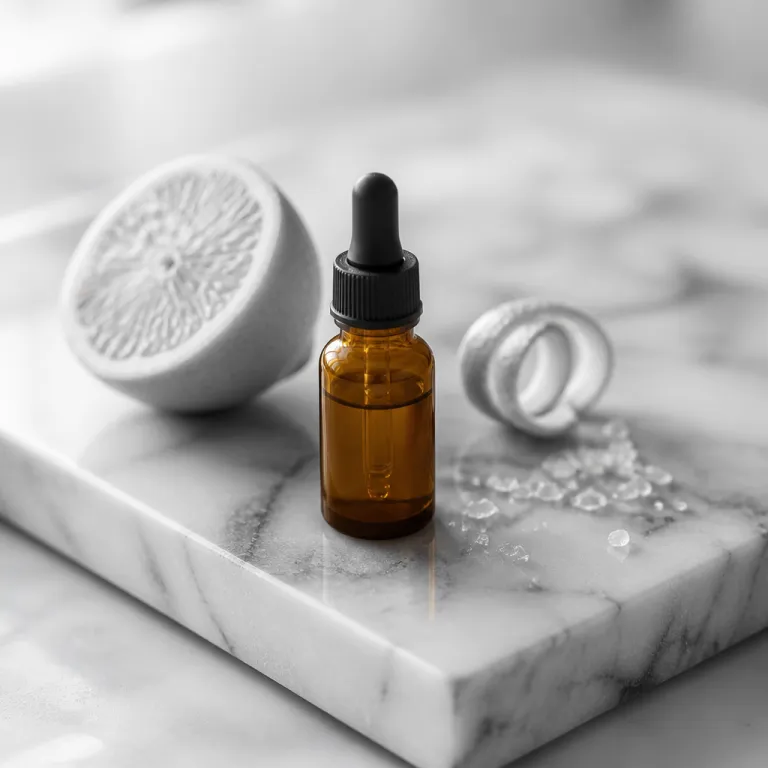
Amalfi Coast spa treatments powered by the Sfusato lemon
The sfusato lemon that quietly runs the Amalfi spa
On the Amalfi Coast, the first thing you notice in a serious spa is the scent of lemon rising above warm stone and sea salt. That fragrance is not a generic citrus note; it comes from the local Sfusato d’Amalfi, a long, pale lemon that shapes how luxury hotel spa teams design their wellness experience from Amalfi town to Ravello. In this vertical corner of Italy, the fruit is as much a wellness tool as it is a dessert garnish, and it now defines what discerning guests expect from Amalfi Coast spa treatments.
Local growers, including cooperatives such as the Consorzio di Tutela Limone Costa d’Amalfi IGP, supply these lemons to Amalfi Coast spas that want their treatment menus to feel rooted in place, not flown in from a global catalogue. The Sfusato d’Amalfi carries unusually high essential oil content in its thick peel, and that intensity translates into massage oils, scrubs and facials that feel both bright and grounding for body–mind balance. When you book a hotel with a serious spa Amalfi program, you are effectively booking into a short course on how this coastline turned a simple fruit into a full wellness language.
The history runs deep here, and the best spas on the coast know it well. Terraced groves above Amalfi have supplied lemons since at least the Middle Ages, with monastic communities using them in medicine long before they scented a couples massage. That continuity matters when you are choosing between a generic hotel spa and one that treats each treatment as a conversation with the land, because the most beautiful rituals are usually the ones that respect time.
From ancient Roman baths to modern lemon rituals
The architecture of many Amalfi Coast spa rituals still nods to ancient Roman bathing culture, even when the design looks entirely contemporary. You move from warm pools to cooler plunge basins, from steam to outdoor terraces, echoing the sequence of Roman baths that once structured daily life along this coast. In some properties, hydrotherapy circuits are explicitly inspired by ancient practices, while therapists quietly layer in lemon-based products that keep the experience anchored in coastal Italy rather than in a placeless wellness trend.
In this context, the question “Why are lemons prominent in Amalfi Coast spas?” has a straightforward answer in the expert material used by local hoteliers: lemons are abundant locally and have beneficial skincare properties. The same training notes explain what your skin actually feels during a lemon scrub or wrap: they provide astringent, exfoliating and moisturizing effects. Regional cosmetic laboratories that work with Sfusato d’Amalfi, such as small producers in Minori and Maiori, emphasise that the peel’s essential oils and natural acids support gentle renewal when correctly diluted in professional formulas.
Thermal elements are more discreet here than in mainland spa towns, yet they still matter for wellness travelers who plan their time carefully. Some properties integrate naturally warmed water into pools and hammams, then finish with a lemon-infused treatment that cools and tones the skin after long meetings or flights. If you are tracking the region’s next chapter, the ambitious head-focused concept in Furore, covered in detail in the guide to new head spa openings on the fjord-like cliffs, shows how hoteliers are reworking ancient ideas for a business leisure audience.
Inside a lemon led spa menu: scrubs, massages and facials
Open a serious hotel spa menu anywhere on the Amalfi Coast and you will see a quiet structure repeating itself. First come body scrubs and wraps, where crushed peel and fine sea salt create a granular texture that wakes the skin before any massage begins. Then you move into massages and facials, where lemon essential oils, hydrolats and creams are calibrated to shift from energising to deeply calming as your time in the treatment room unfolds.
In the scrub section, therapists often combine Sfusato d’Amalfi zest with local olive oil to create a treatment that polishes without stripping, which is crucial when you step from the spa straight into outdoor sun. For massages, the best luxury properties balance lemon with Mediterranean botanicals so the aroma feels layered rather than sharp, and this is where you will notice the difference between the best spas and those that simply add a citrus note to standard oils. Facial treatments tend to use more refined lemon derivatives, focusing on vitamin C content that, according to regional cosmetic producers referencing Italian food composition tables, averages around 50–55 milligrams per 100 grams in these lemons, which supports brightening protocols after long-haul travel.
Product choice tells you a lot about a hotel’s priorities and how well it understands wellness as more than a marketing line. Some spas Amalfi wide work with artisanal brands that use local lemons and herbs, while others lean on international houses such as Officina Profumo Farmaceutica di Santa Maria Novella, weaving heritage Florentine formulas into a coastal narrative. To see how smaller properties compete with larger hotel spa complexes, the feature on morning swims and cliffside yoga rituals shows how ritual, not square metres, often defines the most memorable experience.
Where lemons meet labels: local botanicals versus global brands
Once you start reading spa menus closely, the tension between local sourcing and global branding becomes very clear. On one side, you have hotel spa teams working directly with Amalfi growers and small laboratories to create lemon-based oils, exfoliants and masks that genuinely reflect the land. On the other, you find polished international wellness lines that arrive with strong training programs and recognisable logos, but sometimes dilute the sense of place that makes this coast unique.
Properties such as Monastero Santa Rosa, perched between Amalfi and Praiano, illustrate how a monastery turned hotel can use its history to frame a spa experience that feels both ancient and current. Here, the Otium Spa concept references the Roman idea of restorative leisure, while treatments use local citrus and herbs in a way that feels more like a continuation of monastic apothecary work than a trend. When a hotel like this says it offers complete care for body–mind balance, the claim is backed by architecture, by the scent of lemon in the cloister air and by a service culture that understands how executives actually travel.
Other properties along the coast Italy corridor rely more heavily on imported lines, then add a token lemon scrub to justify the Amalfi label on their brochures. The sustainability language can feel thin in those cases, especially when “local” lemons travel farther than the guests. As you compare options, look for spas that explain which farmers they work with, how they manage waste from lemon-based treatments and whether their massages and facials are adjusted for outdoor living, because that level of detail usually signals the best luxury mindset rather than a surface-level green story.
Designing your lemon scented stay: formats that work for business leisure
For business travelers extending a stay on the Amalfi Coast, the real question is not whether to book a spa treatment, but which format fits the gaps in your schedule. If you only have one free afternoon between meetings in Amalfi and a dinner in Positano, focus on a targeted ritual that combines a back and shoulder massage with a brisk lemon salt scrub to reset circulation. When you have two or three days, you can step into more layered wellness programs that alternate hydrotherapy, massages and guided outdoor movement along the cliffs.
Monastero Santa Rosa is again a strong reference point, because its Otium Spa allows you to move between thermal pools, steam and quiet rooms and suites in a way that feels structured yet flexible. A couples massage on the terrace at sunset can be slotted after a video call, while a longer ritual inspired by ancient Roman otium works better at the start of a leisure extension when your body–mind system is still in office mode. If you prefer a more active reset, pairing a morning on the Path of the Gods with a late afternoon lemon-infused treatment, as outlined in the walking guide to slow hotel anchored hikes between Bomerano and Nocelle, can turn a short stay into a complete recalibration.
Not every spa Amalfi side will suit a high service standard executive, so read beyond the word wellness on the website. Look for clear time indications on each treatment, for quiet zones where phone calls are gently discouraged and for staff who can adapt massages to jet lag, not just to generic relaxation. When a property understands that your time is the rarest luxury on the Amalfi Coast, the lemon in your massage oil becomes more than a scent; it becomes a signal that the entire operation is tuned to the rhythm of your life.
FAQ
Why are lemons used so widely in Amalfi Coast spa treatments?
Lemons are a historic crop on the Amalfi Coast and the local Sfusato d’Amalfi variety has a thick peel rich in essential oils that work well in scrubs, oils and masks. Regional cosmetic producers highlight its high vitamin C content, which supports brightening and gentle exfoliation for skin stressed by travel and sun. This combination of abundance, efficacy and cultural meaning makes lemon the natural backbone of many spa rituals in this part of Italy.
What benefits do lemon infused spa treatments actually provide?
Lemon-based treatments offer mild exfoliation from natural acids, astringent effects that can help refine the appearance of pores and moisturising benefits when combined with quality plant oils. The expert material used by local operators states clearly that they provide astringent, exfoliating and moisturizing effects. For guests, that translates into skin that feels smoother, brighter and more balanced after a massage or facial.
Are Amalfi Coast spa experiences suitable for a short business trip extension?
Yes, many hotel spas on the Amalfi Coast design compact rituals specifically for guests who only have a few hours free. A focused lemon salt scrub followed by a back and neck massage can be completed in around ninety minutes, leaving time to enjoy thermal areas or an outdoor pool. For longer stays, properties such as Monastero Santa Rosa and other best spas in the region can build multi day programs that integrate movement, hydrotherapy and nutrition.
How can I tell if a hotel spa is genuinely local or just using lemon as a theme?
Serious properties explain which farmers or cooperatives supply their lemons and how they integrate other regional botanicals into treatments. They often work with Italian heritage brands or small laboratories rather than relying solely on generic international lines, and their menus reference specific protocols rather than vague citrus experiences. If a spa can describe the origin of its ingredients and adapt treatments to outdoor living on the coast, it is usually rooted in the real Amalfi context.
Do Amalfi Coast spas offer options for couples and groups?
Most luxury hotels along the coast provide couples massage rituals, often in private suites or outdoor cabanas overlooking the sea. These sessions may combine shared hydrotherapy time with synchronised massages and lemon scented body treatments, which work well for both romantic escapes and post conference decompression. For small groups, some spas can privatise thermal circuits or relaxation lounges, but these arrangements usually require advance booking through the concierge.
