Why October’s vendemmia is the new quiet luxury on the Amalfi Coast
On the Amalfi Coast, real indulgence in October moves inland. While the last beach umbrellas fold along the coast, the Tramonti hills above Amalfi turn into an intimate stage for the autumn wine harvest and countryside stays. Here, luxury means time in the vineyards rather than a crowded terrace bar.
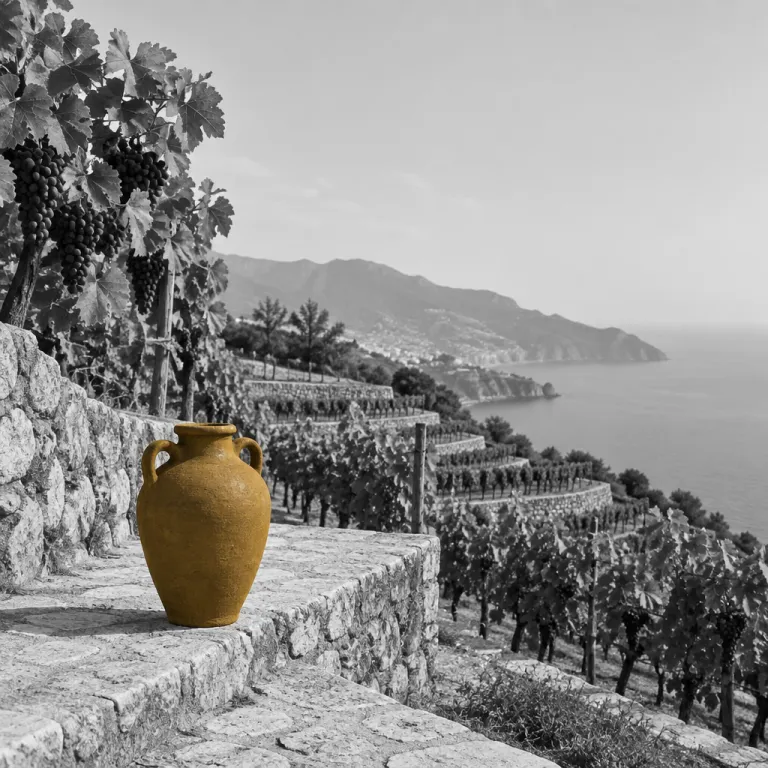
The Costa d’Amalfi DOC, and especially its Tramonti subzone, is defined by terraced vineyards that cling to steep slopes behind the famous shoreline. These plots are often centuries old, planted with indigenous grapes such as Tintore and Piedirosso and framed by olive trees, so every agritourism farm feels rooted in a very specific landscape. When you stay here during vendemmia, you step into a working cycle where grapes are hand picked, pressed, and poured as local wine at the same farm table where you eat.
Families who usually book a sea view suite in Positano or Amalfi often find that a few nights in Tramonti reset their idea of comfort. Children can learn how grapes become local products, from vineyard to cellar, while parents taste dishes fresh from the fields with local ingredients grown metres away. For a luxury and premium hotel booking website focused on the Amalfi Coast, these inland agritourism locations are no longer an afterthought; they are the quiet, high value experiences that sophisticated travellers now request, especially in late September and October when harvest is in full swing.
The Tramonti vineyards: hand picked grapes, monorails and family estates
The Tramonti valley sits behind Amalfi and Maiori, a countryside amphitheatre where vineyards, chestnut woods, and olive groves share the same slopes. Terraces are narrow and steep, so vendemmia here is almost entirely hand picked, with small teams moving along stone steps rather than tractors. On the most vertical plots, slim monorails carry crates of grapes down to the farm, turning logistics into a slow moving theatre that guests can watch or join.
For travellers interested in Amalfi Coast wine harvest experiences, this is where the story becomes tactile. You might spend a few hours in the morning cutting clusters, then follow them to the cellar to learn how local wine is pressed, fermented, and aged. Children can help wash crates or collect fallen olives, while grandparents sit at a shaded farm table, tasting olive oil and local products such as cured meats and cheeses.
Many agritourism estates here combine vineyards with a working olive farm, orchards, and a small farmhouse kitchen. That means your lunch after the harvest is not a staged show but a sequence of Italian cooking traditions, from dishes fresh with tomatoes and basil to slow braises that prepare traditional recipes from Tramonti. Producers such as Tenuta San Francesco, Reale, and Apicella often host these meals in simple dining rooms overlooking the vines, so you see the exact rows that supplied your glass. If you are already planning a coastal dinner at a famous beachside restaurant, read about Nerano’s iconic zucchini pasta and its long standing fine dining heritage in this guide to Nerano’s shoreline gastronomy, then balance it with one night where the chef is also your host and grape grower.
From cooking class to farm table: how agritourism rewrites Amalfi luxury
On the coast, luxury often means a front row view of the sea and a concierge who can book every table between Positano and Sorrento. Inland, during vendemmia, luxury shifts to a slower rhythm where you walk from your room to the vines in minutes. The most compelling Amalfi Coast harvest stays treat you less as a guest and more as temporary family, echoing the Consorzio di Tutela Vini Costa d’Amalfi’s description of Tramonti as a “living vineyard museum”.
A typical day might start with a short farm tour through vineyards, vegetable plots, and olive trees, guided by the owner who explains how local ingredients shape each season’s menu. Later, a cooking class in the farmhouse kitchen shows you how to prepare traditional Tramonti dishes, from pasta with fresh tomatoes to meat braised in local wine and olive oil. These cooking classes are usually intimate, often just one family or a small group, so every participant will learn at their own pace.
Many estates now offer a pizza class using a wood fired oven, which is ideal for families with children who want to learn pizza techniques in a relaxed setting. You stretch dough, add toppings from the farm, then slide your creation into the oven while the host pours a glass of Costa d’Amalfi DOC. For travellers who also want to understand the coastal fine dining scene, this detailed overview of what Michelin starred restaurants on the Amalfi Coast actually deliver helps you decide when to dress up and when to stay at the farm table.
Planning your stay: routes, starting points and pairing coast with countryside
Reaching Tramonti from the main Amalfi Coast towns is straightforward once you understand the geography. Many travellers use Amalfi itself as a starting point, driving or arranging a transfer inland in less than an hour; a private car or taxi usually takes around 35–45 minutes, depending on traffic. From Sorrento, the route is longer but still manageable, especially if you combine a coastal night with two or three nights in the countryside and allow about 90 minutes for the journey via the coastal road and Valico di Chiunzi.
When you book a luxury agritourism stay during the Amalfi Coast wine harvest period, ask clearly about harvest dates, participation options, and how many hours per day guests usually spend in the vineyards. Some estates welcome children into every activity, from picking grapes to joining a short cooking class, while others keep the cellar more technical and focus on tastings. Clarify whether your room sits near the main farm table and farmhouse kitchen, or in a quieter annex where you can retreat after busy farm tours.
Driving inland also means navigating the region’s road rules, especially if you plan to split time between coast and hills. Before confirming a rental car or private transfer, read this clear explanation of how the Amalfi Coast driving restrictions affect hotel transfers, then coordinate arrival times with your host. Many agritourism properties will arrange pick ups from Amalfi or nearby towns through local NCC (noleggio con conducente) drivers, which can be more relaxing than tackling narrow roads after a long flight.
Who agritourism suits: families, food lovers and guests seeking space
Not every Amalfi Coast traveller wants to trade a cliffside pool for a vineyard slope, but those who do rarely regret it. Families with school age children often find that a few days of harvest focused agritourism become the most talked about part of the trip. There is space to roam, work to share, and a sense of participation that no infinity pool can match.
Food focused travellers who care about Italian cooking will appreciate how agritourism stays connect plate to place. You taste local wine beside the vines that produced it, drizzle olive oil pressed on site, and eat dishes fresh from the garden at a communal farm table. For many guests, the chance to learn how to prepare traditional recipes in small cooking classes feels more meaningful than a single restaurant reservation.
These inland stays also suit multi generational groups who want both privacy and shared experiences. Grandparents can watch the harvest from a terrace, parents can join a tour of the cellar, and children can learn pizza skills in a relaxed pizza class by the wood fired oven. If you still crave one night of coastal glamour, pair Tramonti with a final evening in Amalfi or Sorrento, using the hills as your calm base rather than your only destination.
FAQ
What is special about the Tramonti subzone of the Costa d’Amalfi DOC ?
The Tramonti subzone of the Costa d’Amalfi DOC is characterised by steep terraced vineyards planted with indigenous grape varieties and supported by ancient stone walls. Because machinery cannot easily reach these plots, grapes are usually hand picked, sometimes moved by small monorails that carry crates down to the farm. This combination of altitude, old vines, and manual work produces distinctive local wine and a very immersive harvest experience for guests, as highlighted by the Consorzio di Tutela Vini Costa d’Amalfi in its descriptions of the area.
Is a vendemmia stay suitable for families with children ?
A vendemmia stay in Tramonti can work very well for families, especially those who enjoy hands on activities. Children can help with simple tasks such as collecting grapes, washing crates, or joining a short cooking class or pizza class in the farmhouse kitchen. Parents should confirm with each agritourism property which activities are safe and appropriate by age, and how many hours per day are typically spent in the vineyards.
How many nights should I spend in the Tramonti countryside ?
For most travellers, two or three nights in the Tramonti countryside provide enough time to join at least one harvest session, a farm tour, and a cooking class or tasting. This duration also allows a balance between vineyard work, relaxation at the farm table, and possible day trips to Amalfi or Sorrento. Guests who want a deeper Amalfi Coast wine harvest immersion sometimes extend to four or five nights, using the farm as a base for exploring inland villages such as Ravello, Scala, or Corbara.
Do I need a car to reach agritourism properties in Tramonti ?
A car is useful but not always essential for reaching agritourism properties in Tramonti. Many estates can arrange private transfers from Amalfi, Maiori, or other coastal towns, which is often more relaxing than driving narrow mountain roads yourself. Travellers who do rent a car should check current Amalfi Coast driving regulations and parking options at the farm before they book.
How does an agritourism stay compare to a luxury hotel on the coast ?
An agritourism stay in Tramonti usually offers simpler rooms than a top tier coastal hotel but compensates with space, quiet, and direct contact with local life. Instead of multiple restaurants and a spa, you gain access to vineyards, olive groves, cooking classes, and shared meals at a long farm table. For many premium travellers, combining a few nights inland with a shorter stay at a luxury hotel on the coast delivers the most satisfying overall experience.
References
For further factual context on the region and its wines, consult the Consorzio di Tutela Vini Costa d’Amalfi, the official tourism information from Regione Campania, and the Italian National Tourist Board (ENIT).