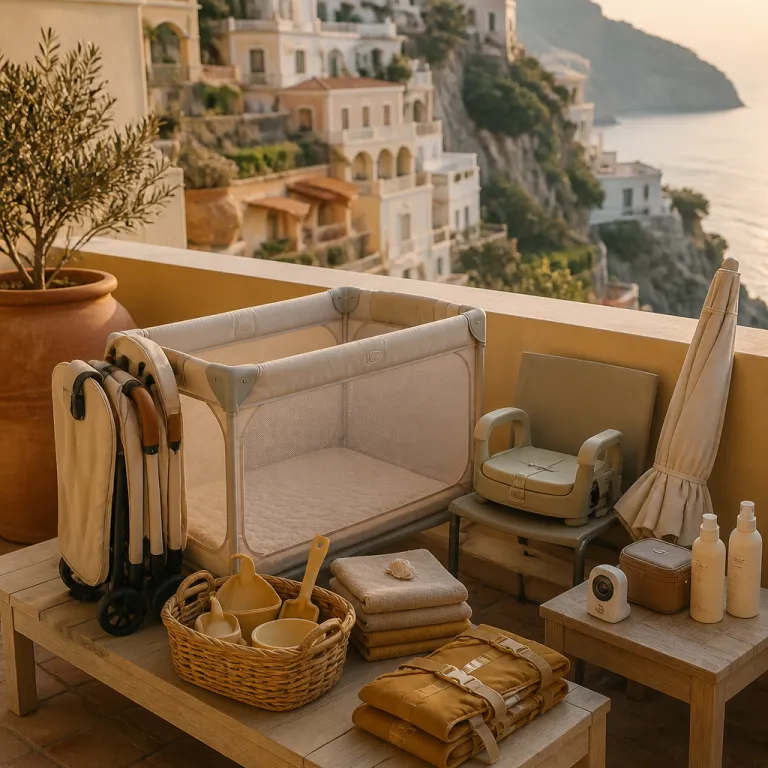
The vertical reality of an Amalfi Coast family luxury hotel stay
The Amalfi Coast looks effortless in photographs, but families quickly meet the stairs. This vertical coast in Italy is carved into terraces, so every hotel sits somewhere between the road and the sea, and that distance is usually measured in steps rather than metres. When you plan an Amalfi Coast family luxury hotel stay, you need to think less about the postcard view and more about how your youngest guest will manage the climb after dinner.
In Amalfi itself, a grand hotel on the cliff can mean 200 steps between the lobby and the swimming pool. Some hotels Amalfi side have lifts cut into the rock, while others rely on porters and patience, so always check availability of elevators and ask the concierge to explain the route in detail. Before you complete any availability booking, send a direct booking check email asking for the exact number of steps from the road to the rooms and from the rooms to the pool or beach platform.
Positano is the most dramatic example of this vertical problem on the coast. The best hotels cling to the cliff, and a sea view hotel here might involve a zigzag of alleys, staircases and narrow paths that are magical for adults but exhausting for a tired child at night. When you read reviews, look for families mentioning pushchairs, lifts and how long it really takes to reach the restaurant or swimming pool from the family rooms.
Many luxury hotels on the Amalfi Coast are designed around couples, not strollers. A property can market itself as family friendly and still have a steep, stepped approach that makes every beach day feel like a workout. When you compare review score data for each hotel Amalfi option, pay attention to how many guests mention accessibility, because this often matters more than the exact price per night when you travel with children.
Coast Italy geography also affects transfers, especially when you arrive late at night with a family. Roads are narrow, parking is scarce, and some hotels require a short walk from the drop off point, so ask the concierge whether a porter will meet your guest party. For many families, the best family strategy is to choose one base on the Amalfi Coast and minimise hotel hopping, because every move means repeating the same stair and luggage choreography.
What actually matters for families: rooms, pools and real access to the sea
When you evaluate any Amalfi Coast family luxury hotel, start with the rooms, not the rooftop bar. Families need flexible rooms that connect, offer real beds for children and allow a parent to read after bedtime without sitting in the dark, so ask for floor plans before you check availability. The best family hotels will confirm whether they can guarantee connecting rooms, not just note a request on your availability booking.
Pool design is another non negotiable detail on this coast. Many cliffside hotels in Italy have deep, dramatic infinity pools that photograph beautifully but are not ideal for non swimmers, so ask for the exact depth and whether there is a shallow ledge where a younger guest can stand. When you read each review, search for comments about lifeguards, pool rules and whether the swimming pool area feels relaxed or tense for families.
Beach access on the Amalfi Coast usually means a private platform rather than a wide sandy bay. Some of the best hotels now invest in designer beach platforms reached by funicular or lift, which can be a gift for a family hotel stay because you avoid long staircases with towels and toys. Before you complete your booking check, ask whether the hotel charges a fee per guest for these platforms and whether there is shade and a child friendly restaurant on the water level.
For a deeper look at how these platforms work for families, read this guide to the designer beach platforms on the Amalfi Coast. It explains why some platforms feel like private clubs while others operate more like relaxed family beaches with flexible lunch hours. When you compare hotels Amalfi wide, this difference can matter more than a marginally higher price per night.
Restaurant rhythm is another quiet filter between a marketing line and a genuinely family friendly hotel. Ask whether the main restaurant offers early sittings, a children’s menu that goes beyond pasta al pomodoro and the option to send simple dishes to the rooms if a child falls asleep. In your reviews search, prioritise comments from family guests who mention how staff handled spills, noise and special requests, because this reveals more than any polished description of views or design.
Finally, look at how each property handles practical details such as cots, kettles and laundry. A true Amalfi Coast family luxury hotel will confirm in writing that cots are guaranteed, not subject to availability at check in, and that a kettle or bottle warmer can be placed in the rooms. These small assurances often separate the best family hotels from glamorous addresses that still operate as adult only spaces in everything but name.
Where families actually sleep well: Amalfi, Positano and Sorrento compared
Different towns along the Amalfi Coast serve families in very different ways. Amalfi itself offers a flatter centre than Positano, so a family hotel near the main piazza can give you level access to the beach, the harbour and casual restaurants, which matters when a child refuses another staircase at night. When you compare review score patterns, Amalfi often rates higher with family guests who value easy walks more than the most dramatic views.
Positano remains the dream image of coast Italy for many travellers. The best hotels here deliver extraordinary views, but a family needs to look closely at how many lifts, corridors and steps sit between the rooms, the pool and the sea, because this affects every part of the day. When you check availability, ask the reservations team to map the exact route from your room category to the beach and to the children’s favourite restaurant on the property.
Sorrento Italy is not technically on the Amalfi Coast, yet it often works better for families who want space and smoother logistics. The town sits on a plateau with more pavements, playgrounds and larger footprint hotels, so a grand hotel here can offer bigger gardens, a broad swimming pool and easier car access than many hotels Amalfi side. For some families, the best family strategy is to sleep in Sorrento and visit Amalfi and Positano by boat during the day.
When you compare price per night across these towns, remember that a slightly higher rate at a more practical hotel can save money on taxis, porters and stressed last minute changes. A family friendly property with a reliable lift, a generous breakfast and a relaxed pool can feel like the best value even if the headline rate is higher. Always read more than one review, because a single glowing review from a couple will not reflect the reality for a family of four.
Some of the most comfortable stays for families are not on the cliff edge at all. Inland farm stays and converted villas above Amalfi offer gardens, lemon groves and space to run, trading a direct sea view for calmer days and easier logistics with children. For a curated selection of these options, explore this guide to Amalfi’s inland farm stays and lemon grove retreats, which often deliver a more workable version of an Amalfi Coast family luxury hotel experience.
When you plan your route, consider splitting the stay between two bases. A few nights in Sorrento Italy or an inland family hotel can give you space and calmer evenings, followed by a shorter stay in Positano or Amalfi for that intense sea view hit. This approach lets you enjoy the best hotels in each area without asking young guests to adapt to the full vertical drama for an entire week.
Why inland estates and private villas can beat the cliffside icons
Many families arrive on the Amalfi Coast assuming that the most famous cliffside hotel will automatically be the best choice. In reality, a private villa or an inland estate can function as a more practical Amalfi Coast family luxury hotel alternative, especially for longer stays. These properties often offer multiple rooms, a private pool and a kitchen, which changes the rhythm of family life compared with a traditional hotel.
In the hills above Amalfi and Ravello, former farmhouses and small estates now operate as refined family hotels in all but name. You gain lawns, shaded terraces and a swimming pool with a shallow end, while still being a short drive from the coast and the main towns. When you check availability for these properties, ask about transfer times to Amalfi, Positano and Sorrento Italy, because a realistic drive time helps you plan day trips without overtiring younger guests.
Private villas around the coast Italy region can be especially effective for multi generational trips. Grandparents can take a quiet room, parents can manage early mornings without worrying about neighbours, and children can move between the pool and the living room without dress codes or set restaurant hours. When you complete your booking check, confirm whether daily cleaning, breakfast delivery and concierge style services are included, because these details bring the villa experience closer to a grand hotel stay.
Many of these inland options are highlighted in the same lemon grove and farm stay guide mentioned earlier. They often deliver strong review score results from family guests who value space and calm over a direct sea view. When you read each review, look for comments about how children used the gardens and pool, because this reveals far more about day to day comfort than a single line about the view.
Price per night can look high at first glance, but a villa or inland estate can reduce overall costs. You can prepare simple meals in the kitchen, avoid multiple restaurant lunches and use the car less if children are happy in the pool and garden. For many families, this balance of privacy, flexibility and access to the Amalfi Coast makes these properties the best family choice, even when compared with the most famous hotels Amalfi side.
When you compare options, remember that not every private villa is equal. Some have steep drives, limited parking or pools without fences, so always ask for recent photos, detailed floor plans and honest safety information before you check availability. A careful availability booking process here protects both your guests and your peace of mind once you arrive.
How to interrogate the details: questions to ask before you book
Families booking an Amalfi Coast family luxury hotel need to ask more precise questions than a couple planning a quick escape. Start with access, and ask the concierge for the exact number of steps between the road, the lobby, the rooms, the pool and any beach platform, because this shapes every day of your stay. If a hotel cannot answer clearly, treat that as a warning sign before you check availability.
Room configuration is the next critical topic. Ask whether the hotel offers guaranteed connecting rooms, true family rooms or a family hotel suite with a door between sleeping areas, and request the exact square metres for each option. When you read reviews, search for comments from family guests about whether the rooms felt cramped once luggage, pushchairs and toys were inside.
Pool and sea access questions should be equally specific. Ask for the depth of the swimming pool at the shallowest and deepest points, whether there is a lifeguard on duty and if there are time slots reserved for adults only, because these details affect how children can use the space. For beach platforms, ask whether there is lift access, how long the journey takes from the rooms and whether the restaurant at sea level welcomes children at all hours.
Restaurant flexibility can make or break a family stay on the Amalfi Coast. Ask whether the main restaurant offers early sittings, whether room service can deliver simple dishes for children and whether there is a dress code that might be difficult for younger guests after a long day. When you compare review score patterns, prioritise properties where multiple reviews mention staff going out of their way to accommodate family requests.
Transfers and logistics deserve the same attention. Ask the hotel to arrange a car with the correct child seats, confirm how close the vehicle can stop to the entrance and whether a porter will meet you, especially if you arrive at night. A truly family friendly Amalfi Coast hotel will answer these questions promptly and clearly, which builds trust before you complete your availability booking.
Finally, ask about practical extras such as cots, high chairs, kettles and laundry. Confirm in writing that these items are included in the price per night or note any surcharges, because this helps you compare the best hotels on a like for like basis. The way a reservations team handles this level of detail often reveals more about the real culture of the hotel than any polished marketing about views or design.
Timing your trip: when the Amalfi Coast works best for families
Seasonality on the Amalfi Coast shapes how comfortable the region feels for families. High summer brings intense heat, crowded streets and busy pools, which can make even the best family hotels feel overwhelming with young children. Many premium families find that late spring and early autumn offer a calmer version of an Amalfi Coast family luxury hotel stay, with warm seas and softer light.
September often emerges as a sweet spot for families tied to school calendars. The coast is still open, the sea remains warm enough for swimming and many European school holidays have ended, which reduces pressure on pools, restaurants and beach platforms. When you check availability for this period, you may also find more flexible minimum stay rules and a slightly lower price per night at some hotels Amalfi side.
Shoulder seasons also change the way towns like Amalfi, Positano and Sorrento Italy feel at night. Streets are less crowded, restaurant reservations are easier and children can move more freely along the promenade without constant queues, which makes the whole coast Italy experience feel more relaxed. When you read each review from these months, you will often see family guests mentioning calmer breakfasts, quieter pools and more attentive service.
Weather patterns still matter, so build a little flexibility into your plans. A hotel with an indoor play space, a library or generous rooms can absorb a rainy day better than a property that relies entirely on its terrace and pool, so factor this into your booking check. For some families, this is another reason to consider an inland family hotel or villa with more indoor space and a kitchen.
Transport options also shift with the season. Ferry schedules between Amalfi, Positano and Sorrento Italy are fuller in peak months and reduce later, so always check the latest timetables before you finalise your availability booking. A hotel concierge who responds quickly and clearly to these questions is often a sign that the property understands how families actually move along the coast.
Whatever month you choose, book early if you want specific room types such as connecting rooms or suites with a guaranteed sea view. These categories are limited, and the best hotels often see repeat family guests reserving the same rooms year after year. Early planning gives you the widest choice of Amalfi Coast family luxury hotel options and the best chance of aligning dates, rooms and realistic daily rhythms for your children.
Reading between the lines: using reviews and ratings like a pro
Online reviews can be a powerful tool when you choose an Amalfi Coast family luxury hotel, but only if you read them with a clear strategy. Start by filtering for reviews written by family guests, because their priorities differ sharply from couples focused on romance and spa treatments. A hotel with a high overall review score can still feel challenging for a family if most of those reviews come from adults travelling without children.
Look for patterns rather than isolated complaints. If multiple reviews mention that the pool feels crowded, the restaurant is strict about dress codes or the lifts are slow, treat these as structural features rather than bad luck, because they will probably affect your stay as well. When you compare hotels Amalfi wide, note which properties attract repeated praise for staff warmth towards children, flexible meal times and practical help with pushchairs.
Pay close attention to how management responds to family focused reviews. A thoughtful, specific reply to a review about cots, pool rules or restaurant flexibility suggests a hotel that listens and adapts, which is exactly what you want in a family hotel on a complex coastline. If responses feel generic or defensive, consider whether this aligns with the level of service you expect from a grand hotel charging a premium price per night.
Use photos from guests as a reality check on marketing images. Look at how crowded the swimming pool appears at different times of day, how much space there is around sun loungers and whether the rooms look as generous as the official photos suggest. This visual review can reveal whether a property truly functions as one of the best family hotels in the area or simply photographs well.
As you shortlist options, keep a simple comparison table. Note the review score, key comments from family guests, the presence of a pool with a shallow area, the availability of connecting rooms and any mentions of restaurant flexibility, because these factors matter more than a marginal difference in sea views. This method helps you identify the best hotels for your specific family rather than chasing the most famous name on the Amalfi Coast.
Finally, remember that no single review can capture the full reality of a hotel. Use reviews as one layer alongside direct conversations with the reservations team, clear answers to your booking check questions and your own priorities about space, access and rhythm. When all these elements align, you are far more likely to find an Amalfi Coast family luxury hotel that genuinely works with children rather than against them.
Key figures for family stays on the Amalfi Coast
- According to data from the Italian National Institute of Statistics, around 13 percent of international visitors to Campania travel as family groups with children, which means hotels in Amalfi, Positano and Sorrento increasingly adapt services for younger guests.
- Regional tourism reports indicate that average hotel occupancy on the Amalfi Coast exceeds 80 percent in peak summer months, so families seeking specific room types such as connecting rooms should book at least three to six months in advance.
- Ferry operators between Amalfi, Positano and Sorrento typically run up to 30 daily services in high season, dropping to fewer than 10 in shoulder months, which directly affects how easily families can move along the coast without cars.
- Surveys of European travellers show that more than 60 percent of families rank a swimming pool as a top priority when choosing a hotel in Italy, a figure that explains why pool design and safety features are central to family decisions on the Amalfi Coast.
- Industry analyses suggest that properties with consistently high review scores from family guests can command up to a 15 percent higher average price per night compared with similar hotels that focus mainly on couples.
FAQ about family luxury stays on the Amalfi Coast
Is the Amalfi Coast suitable for families with young children ?
The Amalfi Coast can work for families with young children, but only with careful hotel selection and realistic expectations about stairs and transfers. Towns like Amalfi and Sorrento offer flatter areas and more family friendly infrastructure than Positano, which is very vertical. Choosing a hotel with lifts, easy access to the pool and flexible restaurant hours is more important than chasing the most dramatic sea view.
Which town is best for a first family trip to the Amalfi Coast ?
For a first family visit, many parents find Sorrento or Amalfi more practical than Positano. Sorrento has wider pavements, parks and larger hotels with generous pools, while Amalfi combines a relatively flat centre with easy boat connections along the coast. Positano can still work, but only if you choose a hotel with lift access and accept that daily life involves many stairs.
How far in advance should families book hotels on the Amalfi Coast ?
Families should aim to book three to six months in advance, especially for peak summer and early autumn dates. Connecting rooms, suites with separate sleeping areas and rooms close to lifts are limited, and repeat guests often reserve them early. Early booking also gives you more time to ask detailed questions about access, pool design and restaurant flexibility.
Do most Amalfi Coast hotels provide cots and high chairs ?
Many mid range and luxury hotels on the Amalfi Coast provide cots and high chairs, but availability can be limited in smaller properties. Always request these items at the time of booking and ask the hotel to confirm them in writing rather than leaving them as a note on the reservation. This approach reduces stress at check in and helps you compare the real value of different hotels.
Is it better for families to stay in a hotel or a private villa ?
The choice between a hotel and a private villa depends on your family’s priorities. Hotels offer services such as daily cleaning, restaurants and concierges, which simplify logistics, while villas provide more space, a kitchen and privacy, which can be ideal for longer stays or multi generational trips. Many families find a combination works well, starting with a serviced hotel stay and then moving to a villa once everyone has adjusted to the coast.