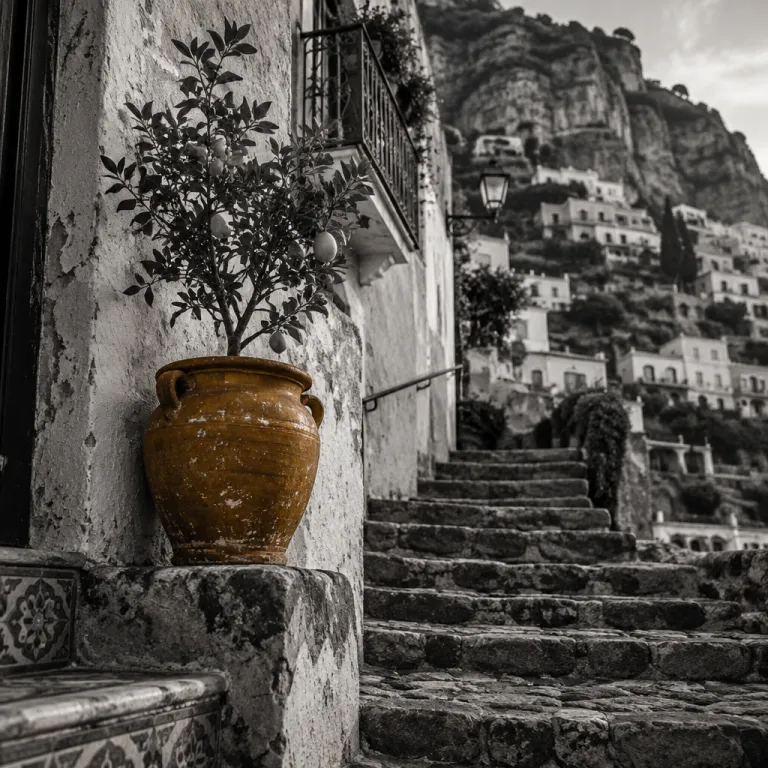
Sorrento vs Positano for a first luxury stay on the Amalfi Coast
Sorrento and Positano sit on the same dramatic Amalfi Coast, yet they offer very different luxury hotel experiences. When you compare Sorrento vs Positano for a first trip, you are really choosing between a cosmopolitan clifftop town and a vertical seaside village with iconic views. Both places work as a refined base in Italy, but the right choice depends on how you like to move, dine, and relax by the beach.
- Best for logistics: Sorrento – rail links, ferries, and easier arrivals from Naples.
- Best for scenery: Positano – amphitheatre-style village, postcard views from almost every terrace.
- Typical split stay: 3–4 nights in Sorrento + 2–3 nights in Positano for a balanced first visit.
- Budget feel: Sorrento offers more price tiers; Positano feels more exclusive and costly overall.
Sorrento stretches along the Bay of Naples with broad promenades, easy access to the SITA bus network, and quick rail links to Naples, Pompeii, and Mount Vesuvius. Positano, by contrast, cascades down to Spiaggia Grande with steep lanes, chic beach clubs, and some of the most photographed hotels on the entire Amalfi Coast. When travellers weigh Sorrento–Positano options, they are often balancing practical day trips against the desire to wake up inside a postcard.
For many visitors, Sorrento is better as a logistical base, while Positano excels as a place to feel immersed in the coast itself. You can stay in Sorrento for several nights, then add a shorter stay in Amalfi or Positano to experience a different rhythm and shoreline. One couple described it as “living in the region first, then living in the view,” using Sorrento for movement and museums before ending with a slower, sea-focused finale in Positano.
Landscape, beaches, and views: where the Amalfi Coast feels most dramatic
The physical setting is where the Sorrento vs Positano comparison becomes immediately tangible for luxury travellers. Sorrento rises on a high tufa cliff above Marina Grande and Marina Piccola, so many hotels offer sweeping views over the Bay of Naples towards Mount Vesuvius. Positano curves around a narrow valley that drops directly to Spiaggia Grande, where colourful houses, boats, and beach clubs create a theatrical amphitheatre of sea and stone.
If you want a classic sandy beach experience, Positano and nearby Amalfi Coast coves provide more direct access to the water than Sorrento’s small volcanic strips. In Sorrento, you usually reach the beach via elevators or piers below the cliff, then relax on wooden platforms or compact stretches of dark sand at Marina Grande. Some travellers therefore choose a mid-range hotel in Sorrento for practicality, then book a few indulgent days in Positano hotels right on or above the shoreline to experience the village at different times of day.
Views are more open and panoramic in Sorrento, especially at sunset when the sky glows behind the Bay of Naples and the distant profile of Capri. In Positano, the vistas feel more intimate and enveloping, with the town itself forming part of the scenery from every terrace and hotel balcony. If your priority is to experience Positano from a refined private base, consider one of the elegant apartment stays in Positano highlighted in this guide to an elegant Positano apartment escape.
Access, transport, and using Sorrento or Positano as a day trip base
Transport logistics strongly influence whether Sorrento or Positano is better as your main Amalfi Coast base. Sorrento connects directly to Naples by Circumvesuviana train and hydrofoil, making arrival and departure smoother, especially after a long flight. From Sorrento, you can reach Capri, Pompeii, and Mount Vesuvius on straightforward day trips, then return to a calm hotel with full services and late dining options.
Positano is linked by winding coastal roads and the SITA bus, which can be crowded in high season and subject to delays. Many travellers therefore structure their itinerary as Positano–Sorrento rather than the reverse, starting with a few nights in Positano to experience the town at its most atmospheric, then shifting to Sorrento–Amalfi connections for easier day trips. Typical travel times run around 1 hour 15 minutes by bus between Sorrento and Positano, or about 40 minutes by seasonal ferry when seas are calm.
Boat services also shape the Sorrento vs Positano decision, because ferries link Sorrento, Positano, Amalfi, and Capri in a scenic network. Using Sorrento as a base, you can take a day trip by ferry to visit Positano, then return by evening without handling luggage on steep stairways. For travellers who want to pair the coast with historic stays inland, curated routes such as these elegant gateways to the Amalfi Coast make it easy to combine seaside retreats with cultural excursions.
Luxury and premium hotels: how Sorrento and Positano differ at the top end
When you compare Sorrento vs Positano for luxury hotels, you are weighing two distinct styles of Italian hospitality. Sorrento’s grand hotels often occupy historic villas or clifftop estates, with expansive gardens, large pools, and formal dining rooms overlooking the sea. Positano’s most coveted hotels cling to the hillside with terraced suites, intimate pools, and direct access to Spiaggia Grande or smaller coves via private paths.
In Sorrento, the range of hotels spans from polished mid-range properties to landmark five-star addresses, which can make a longer stay in Sorrento more financially sustainable. Representative examples include Grand Hotel Excelsior Vittoria and Bellevue Syrene, where high-season double rooms often start around €900–€1,200 per night, alongside refined four-star options from roughly €350–€600. Positano’s limited space and global demand mean that even mid-range rooms can command premium rates, especially in high season when the town is at its busiest, with iconic hotels such as Le Sirenuse or Il San Pietro di Positano frequently starting above €1,500 per night for sea-view rooms.
Service culture also differs subtly between the two towns, with Sorrento’s larger hotels often offering extensive concierge teams, while Positano’s properties lean into highly personalised, relationship-driven hosting. For travellers who value curated experiences, a Sorrento concierge can arrange efficient day trips to Capri, Pompeii, and Amalfi, while a Positano host might focus on private boat charters, beach club reservations, and late evening dining by the shore. Both approaches can feel equally luxurious when matched to your preferred pace and style of experience.
Day trips, culture, and how to structure your time between Sorrento and Positano
Planning your time is central to the Sorrento vs Positano decision, because each town supports different types of day trips. From Sorrento, you can reach Capri, Pompeii, and Mount Vesuvius in a single day trip using a mix of train, bus, and ferry, then return to your hotel without late night transfers. This makes Sorrento an efficient base for travellers who want to combine the Amalfi Coast with archaeological sites and urban culture in Naples.
Positano, on the other hand, is ideal if your priority is to experience the village itself, nearby Amalfi, and the smaller coastal villages by boat. Many guests staying in the Positano–Amalfi area choose to spend their days on the water, hopping between beach clubs, coves, and seaside restaurants, rather than undertaking long inland excursions. In this case, a shorter stay in Amalfi or a Positano-focused itinerary, with more time dedicated to the coast and less to inland sites, can feel more restful and indulgent.
Some travellers split their trip into three segments, using Sorrento as a base for culture, Positano for pure seaside relaxation, and a final inland stop such as Matera for history-rich calm. For those interested in this pattern, curated cave properties in Basilicata, such as the stays featured in this guide to a historic luxury cave stay near the Amalfi Coast, can extend the narrative of the journey. Thinking in terms of narrative arcs rather than isolated nights helps you decide how many days to allocate to each town.
Practical tips for choosing your base: Sorrento vs Positano in real itineraries
Turning the Sorrento vs Positano comparison into a concrete plan means matching each town to your travel style. If you value easy arrivals, frequent buses, and flexible day trips, Sorrento is usually better as your primary base on the Amalfi Coast. When you stay in Sorrento, you can rely on the SITA bus, ferries, and local taxis to reach other towns, then return to a hotel that feels like a calm urban resort.
Travellers who prioritise atmosphere, sea-level living, and iconic coastal views often feel happiest when they stay in Amalfi or Positano for at least part of their time. In Positano, you can walk from hillside hotels down to Spiaggia Grande, spend the day at beach clubs, then visit the upper lanes in the evening for quieter dining. This pattern works especially well in high season, when daytime crowds are intense but early mornings and late nights reveal a more tranquil side of the town.
Whichever base you choose, plan your transfers carefully, especially if you rely on the SITA bus or ferries that can sell out or be disrupted by weather. Booking hotels with strong concierge teams in either Sorrento or Positano helps you secure tickets, restaurant reservations, and private drivers at the right time. In the end, many seasoned travellers agree that the ideal Amalfi Coast experience combines both towns, using each for what it does best rather than forcing a single perfect choice.
Key statistics for planning a luxury stay on the Amalfi Coast
- According to the Italian National Institute of Statistics (ISTAT), the Campania region, which includes Sorrento, Positano, and the wider Amalfi Coast, records more than 20 million overnight stays annually, highlighting the need to book premium hotels well in advance during high season (see tourism data on the official ISTAT portal at istat.it/en/tourism).
- Data from the Port Authority of Naples indicates that ferry routes between Naples, Sorrento, Capri, and Amalfi handle several million passengers per year, confirming that sea connections are a reliable backbone for day trips across the Bay of Naples and the coast (summarised in annual port traffic reports available via porto.napoli.it).
- UNESCO notes that the Amalfi Coast extends for about 50 kilometres of shoreline, which explains why many travellers choose two bases, such as Sorrento and Positano, rather than attempting to cover the entire area from a single town (as described in the Amalfi Coast World Heritage listing on whc.unesco.org/en/list/830).
- Surveys by regional tourism boards indicate that average stays in Sorrento are around three to four nights, while stays in Positano are often shorter, at two to three nights, reflecting the common strategy of combining a practical base with a more indulgent seaside retreat (see aggregated data from Visit Campania and local DMO reports).
- Transport studies from local authorities report that the SITA bus network carries tens of thousands of passengers per day along the coastal road in peak months, underlining the importance of planning travel times carefully when scheduling day trips (summarised in mobility plans published by the Campania Region and SITA Sud).
FAQ: choosing between Sorrento and Positano
Is Sorrento or Positano better as a base for day trips
Sorrento is generally better as a base for day trips because it connects directly to Naples by train and ferry, and offers straightforward access to Capri, Pompeii, and Mount Vesuvius. From Sorrento, you can combine multiple sites in a single day trip without long transfers late at night. Positano works best as a base if your day trips focus mainly on nearby coastal towns and boat excursions.
Which town offers easier access to beaches, Sorrento or Positano
Positano offers easier access to beaches, with Spiaggia Grande and smaller coves reached on foot from most hotels. Sorrento’s shoreline sits below high cliffs, so you typically use elevators, stairs, or piers to reach compact volcanic beaches at Marina Grande and other small inlets. Travellers who prioritise long days at beach clubs usually prefer to stay in Positano or nearby Amalfi.
Is Positano significantly more expensive than Sorrento
Positano is typically more expensive than Sorrento, especially for sea-view rooms and high season stays. Limited space and strong global demand mean that even mid-range hotels in Positano can feel premium in price. Sorrento offers a wider spectrum of hotels, allowing travellers to allocate more budget to experiences such as private boat tours or fine dining.
How many nights should I spend in Sorrento and Positano
A balanced itinerary often includes three or four nights in Sorrento and two or three nights in Positano. This structure lets you use Sorrento as a practical base for cultural day trips, then shift to Positano for a more immersive seaside experience. Travellers with limited time sometimes choose a single base, but combining both towns usually delivers a richer overall stay.
Can I visit both Sorrento and Positano in one day trip
It is possible to visit both Sorrento and Positano in one day trip using ferries or the SITA bus, but the experience can feel rushed. Most travellers prefer to focus on one town per day, especially in high season when roads and boats are busy. If you must combine them, start early, travel by sea when possible, and keep your schedule flexible.