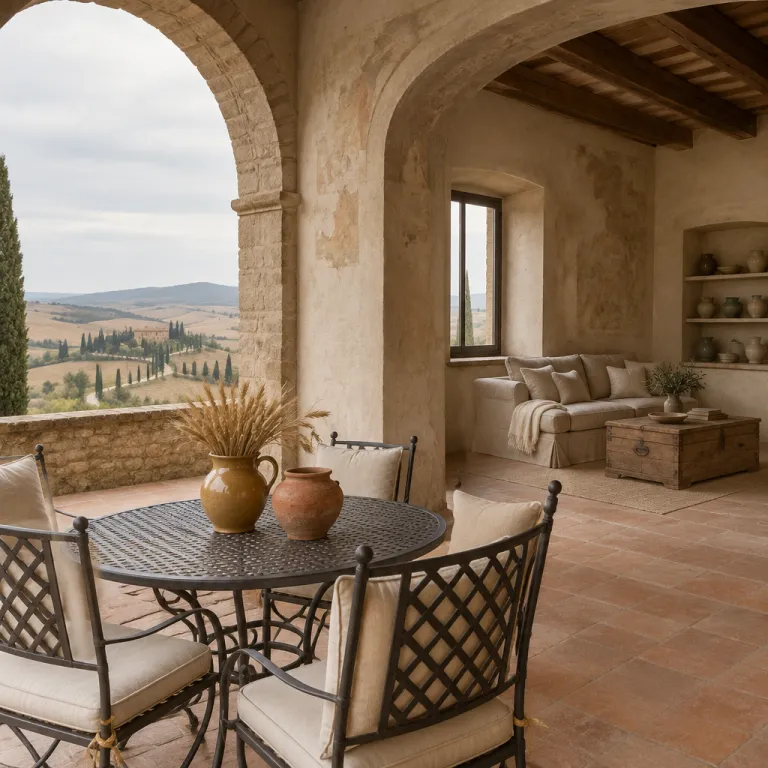
Why Tuscany Italy hotels captivate travelers seeking history and style
Tuscany draws travelers who want a hotel that feels rooted in place. Many Tuscany Italy hotels occupy centuries-old palazzi where every stone wall and vaulted room tells a story. A carefully chosen stay in this part of Italy lets guests balance refined comfort with a genuine sense of time, tradition, and Tuscan character.
In Florence, a historic hotel facing Piazza Santa Maria Novella offers a different mood than a countryside resort in the hills near Borgo Pignano. Both styles of Tuscan hotels can be rewarding, but each suits a different type of stay and guest expectation. Before you book, think about whether you prefer a star-rated hotel in a lively town or a quiet spa retreat surrounded by vineyards, olive groves, and long evening views.
Travelers from the United States often compare reviews for hotels in Tuscany with those for the Amalfi Coast or Tuscany–Umbria escapes. They usually love the way a restored palazzo in Florence, Italy, combines marble bathrooms, frescoed ceilings, and a fair room rate for such character. When you read any hotel reviews by past guests, focus on comments about the night-time atmosphere, the quality of the room, and how the staff handle special requests or late arrivals; these details reveal far more than a simple rating.
Historic palazzi in Florence and their role in Tuscany Italy hotels
Florence, Italy, is the natural starting point for travelers exploring historic Tuscany Italy hotels. Around the Santa Maria Novella district, several grand palazzi have been transformed into luxury hotels that preserve Renaissance staircases, carved stone portals, and intimate courtyards. Staying in a hotel in Florence near the basilica of Santa Maria Novella means you step from a fresco-lined nave straight into a refined lobby within minutes.
Properties such as Palazzo Magnani Feroni, Hotel Santa Maria Novella, or a palazzo dei Conti–style residence often occupy former noble homes. These palazzo hotels in Florence usually offer a spa wing in the old cellars, where guests can enjoy thermal pools beneath brick vaults after a long day in town. When you compare the room rate of such a heritage hotel with a modern resort on the outskirts, remember that you are paying for direct access to Florence’s museums and the ability to walk to the Duomo at night.
Travel planners who love layered history often pair a stay in Florence with time on the Amalfi Coast, using guides about Amalfi’s paper mills and their twelfth-century industry to deepen their understanding of Italian craft traditions; this context enriches how you experience every carved doorway and stone staircase in Tuscany Italy hotels. Many guests write in their reviews that a first night booked in Florence sets the tone for the rest of their journey. When you read any hotel reviews for a palazzo property, look for a consistent rating on service, cleanliness, and how staff manage the flow of each guest through these sometimes small, intricate spaces, especially at check-in and breakfast.
From Tuscany to Amalfi and Matera: historic stays on one itinerary
Many travelers planning time in Tuscany Italy hotels also consider a multi-stop itinerary that includes the Amalfi Coast and the cave dwellings of Matera. A few days in a resort-style spa hotel in the Tuscan countryside pairs well with a historic cave stay in Basilicata, especially for guests who love architecture, atmospheric nights, and contrasting landscapes. This kind of journey lets you compare how different Italian regions adapt ancient stone structures into comfortable rooms for a modern stay.
In Tuscany, a property such as Borgo Pignano, Castiglion del Bosco, or Borgo dei Vigneti typically occupies a hilltop hamlet with a small chapel, a main palazzo, and farm buildings converted into rooms and suites. These hotels in Tuscany often earn a high rating from guests who appreciate the balance between a fair room rate and access to pools, vineyards, and wellness facilities. When you then continue to a cave stay in Matera through a dedicated guide to historic luxury, you see how another region of Italy reimagines stone-carved spaces as star hotels with underfloor heating, candlelit terraces, and carefully lit alcoves.
Travelers from the United States often write that they thought a night booked in a cave dwelling might feel austere, yet they end up in love with the quiet and the way sound carries in the rock. One couple described waking to the scent of coffee drifting through a stone archway and the soft echo of church bells at dawn, while another guest recalled watching swallows circle above the ravine from a tiny balcony carved into the cliff. Reading detailed hotel reviews for both Tuscany Italy hotels and Matera properties helps you understand which guest profile each place suits best. If you plan to stay in Tuscany first, consider at least three nights in the countryside before moving south, so you can adjust your pace and enjoy each room and town without rushing.
Choosing between town palazzi and countryside resorts in Tuscany Italy hotels
One of the most important choices for travelers comparing Tuscany Italy hotels is whether to base themselves in a town or in the countryside. A small palazzo hotel in a medieval town offers easy access to restaurants, churches, and evening walks under stone arches. A countryside resort, by contrast, gives guests wide views, pools, and often a spa hotel experience that encourages longer, slower stays.
In towns such as Siena, Lucca, or Montepulciano, many star hotels occupy former noble homes with thick walls that keep rooms cool at night. These properties may have a more intimate room collection, so it is wise to book early if you want a specific view or terrace. When you read hotel reviews for these town-based hotels in Tuscany, pay attention to comments about noise, parking, and how staff help guests navigate narrow streets with luggage or arrange transfers.
Countryside options such as Borgo Pignano, Castiglion del Bosco, or a Borgo dei–style hamlet usually include several buildings, from the main palazzo to farmhouses and small cottages. Guests who stay in Tuscany at these resorts often love the chance to join cooking classes, wine tastings, or truffle hunts without leaving the property. If you are traveling from the United States and planning a longer stay, compare the room rate for a week in a resort with the cost of several shorter nights in different towns, then decide which rhythm suits your idea of an ideal Italian journey and how often you want to pack and unpack.
How to read ratings and reviews for Tuscany Italy hotels with confidence
Online reviews for Tuscany Italy hotels can feel overwhelming, especially when you compare dozens of properties in Florence, Siena, and the countryside. A structured approach helps you interpret each rating and comment in a way that matches your priorities. Start by filtering for guests who traveled in a similar way to you, whether as a couple, family, or solo traveler.
For Florence, Italy, look at hotel review entries that mention specific landmarks such as Santa Maria Novella, the Arno, or the Duomo, because these details confirm that the guest actually stayed there. When a hotel in Florence housed in a palazzo dei Conti–style building receives consistent praise for staff, cleanliness, and breakfast, that pattern matters more than one negative remark about a small room. Pay attention to how management responds to criticism, since a professional, solution-oriented reply shows respect for each guest and a commitment to maintaining a high star-hotel standard.
In the countryside, guests often comment on the quality of the spa facilities, the quiet at night, and the ease of reaching nearby town centers. When you compare room-rate information, check whether breakfast, parking, and wellness access are included, because these extras can change the value of a stay in Tuscany significantly. Travelers from the United States sometimes focus heavily on size, but in many historic hotels in Tuscany, a smaller room in a palazzo with frescoes can feel more special than a larger modern space with no sense of history, especially if it includes a view of cypress-lined hills or a tiled courtyard.
Planning your stay: practical tips for Tuscany Italy hotels and Amalfi Coast links
Once you have narrowed your list of Tuscany Italy hotels, timing and logistics become crucial. Many luxury hotels in historic palazzi operate with a limited room collection, so a night booked during peak seasons can be challenging without advance planning. Aim to book at least several months ahead if you want a specific spa suite or a room with a view of Florence’s skyline.
Travelers who love both countryside calm and coastal scenery often combine a stay in Tuscany with a refined seaside escape on the Amalfi Coast. It is easy to arrange a sequence that starts in Florence, Italy, continues through Borgo Pignano or Borgo dei–style hamlets, and finishes in an elegant Amalfi property with curated vacation rentals or boutique hotel rooms. When comparing room-rate structures between Tuscany Italy hotels and Amalfi stays, remember that coastal towns often command higher prices per night, especially for sea views and direct beach access.
Guests from the United States sometimes underestimate driving times between each town, particularly when winding roads and traffic slow progress. Build in buffer days so you can enjoy each hotel, explore local markets, and return to your room without rushing. If you read hotel review comments that mention stress about transfers, use those insights to adjust your own itinerary and create a journey you will genuinely love, with realistic travel days and time to linger over breakfast.
Key statistics on luxury and premium hotel stays in Tuscany and Amalfi
- According to data from ENIT, the Italian National Tourist Board, Tuscany recorded roughly 45 million overnight stays in 2019, with a significant share concentrated in four- and five-star hotels that occupy historic palazzi and countryside resorts (ENIT, 2020 tourism report, section on regional arrivals and presences).
- Florence alone accounts for around one third of Tuscany’s total hotel nights, and properties within walking distance of Santa Maria Novella and the Duomo consistently achieve higher average daily room rates than hotels located outside the historic center, based on Tuscany Region official tourism statistics for 2019.
- Research from the European Travel Commission on long-haul travel trends indicates that travelers from the United States represent one of the largest long-haul markets for Italy, and they are more likely than European guests to book luxury hotels or spa experiences for stays longer than five nights.
- Surveys by regional tourism authorities in Tuscany and Campania suggest that more than 60 percent of visitors who combine Tuscany with the Amalfi Coast cite architecture and historic settings as a primary reason for choosing specific hotels and resorts.
- Industry analyses of guest reviews highlight that properties housed in restored palazzi and borgo-style hamlets in Tuscany often achieve satisfaction ratings above 9 out of 10, especially when they balance authentic architecture with modern comfort, attentive service, and a sense of place that reflects local food, wine, and crafts.
FAQ about Tuscany Italy hotels and historic stays
How many nights should I plan in Tuscany if I love history ?
Travelers who prioritize historic settings in Tuscany Italy hotels should plan at least five to seven nights. This allows time for a stay in Florence, Italy, plus several nights in a countryside resort or palazzo-based hotel. With a week, you can explore major towns, enjoy the spa facilities, and still have relaxed evenings in your room.
Is it better to stay in Florence or in the Tuscan countryside ?
Both options offer strong advantages, so the choice depends on your style. A hotel in Florence near Santa Maria Novella suits guests who want museums, restaurants, and nightlife within walking distance. Countryside hotels in Tuscany such as Borgo Pignano, Castiglion del Bosco, or Borgo dei–style hamlets are ideal if you value quiet, views, and resort amenities.
Are historic palazzi in Tuscany suitable for families ?
Many palazzo-based Tuscany Italy hotels welcome families, but room layouts vary. Some star hotels offer connecting rooms or suites with separate living areas, while others have smaller spaces better suited to couples. Always read recent hotel reviews and contact the property directly to confirm whether they can accommodate your family comfortably.
How far in advance should I book luxury hotels in Tuscany and on the Amalfi Coast ?
For peak travel periods, aim to book luxury hotels in both Tuscany and the Amalfi Coast at least three to six months ahead. Historic properties with a limited room collection, especially in Florence, Italy, and coastal towns, fill quickly. Early booking gives you better choice of room type, view, and room rate.
Can I visit both Tuscany and the Amalfi Coast without renting a car ?
It is possible to combine Tuscany Italy hotels with Amalfi Coast stays using trains and private transfers. You can travel by rail between Florence, Rome, and Salerno, then arrange car services or local transport to reach each town and resort. This approach works well for guests who prefer not to drive on narrow or winding roads.
References
- ENIT – Italian National Tourist Board, 2020 tourism report
- European Travel Commission – Long-haul travel trends to Europe
- Tuscany Region official tourism statistics, 2019