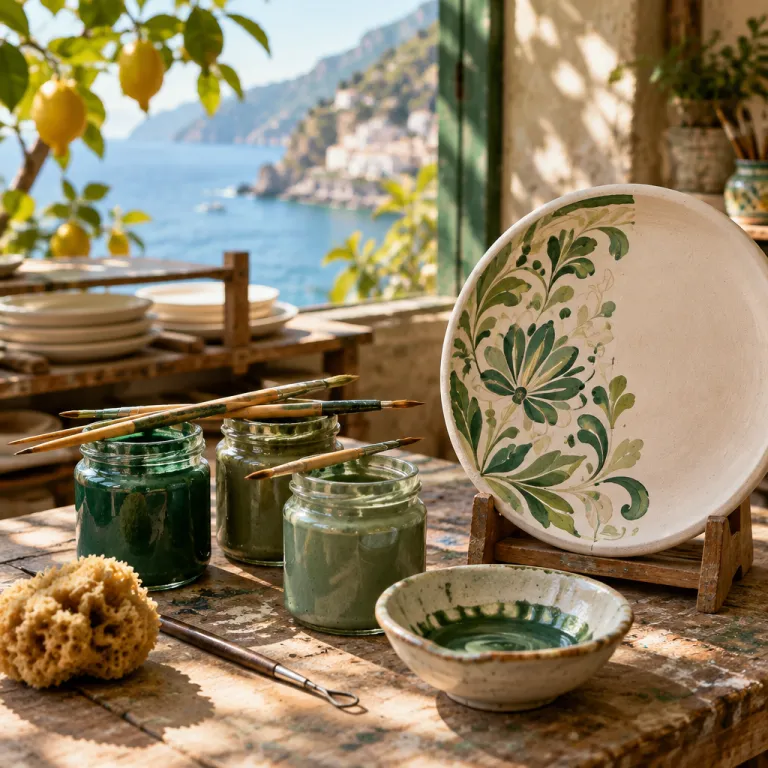
Why Vietri sul Mare is the ceramic heart of the Amalfi Coast
Vietri sul Mare sits just beyond Salerno, where the Amalfi Coast begins. This compact town of kilns and kilimanjaro-bright shopfronts is the historic cradle of Vietri ceramics, the clay ceramic tradition that quietly shapes the region’s design language. When luxury concierges mention a vietri ceramic workshop, they are really inviting you into the living archive of the coast.
Here, the sea and the hills meet in a tight amphitheatre of colour, and every balcony seems to drip with hand painted plates and majolica tiles. The local vietrese artisans have worked clay for centuries, turning raw clay into pottery that carries the same blues and lemons you see along the shore. This is not a staged pottery workshop for passing tour buses, but a working ecosystem where ceramics still leave for hotels, restaurants and private villas across Italy.
Majolica is tin glazed earthenware, fired, dipped in an opaque white glaze, then painted by hand before a final firing. In Vietri sul Mare, that majolica decoration often features marine motifs, stylised fish and deep sea blues that echo the mare below the town. When you book a hands on workshop here, you are not only learning clay working techniques, you are stepping into the supply chain that feeds the most elegant hotel pools and terraces along the coast.
Inside the half day Vietri ceramic workshop experience
Most luxury hotels on the Amalfi Coast quietly keep one particular rainy day card up their sleeve, a half day Vietri ceramic workshop that feels both intimate and surprisingly polished. Your guide usually meets you either in Salerno or directly in Vietri sul Mare, then walks you through narrow lanes towards a family run studio just off Corso Umberto. The space often looks modest from the street, but inside you will see shelves of art ceramics destined for five star lobbies and sea facing suites.
Workshops typically start with a short tour of the kiln room and clay storage, where a potter explains how local clay becomes clay ceramic ready for the wheel or for hand building. You will hear how the potter wheel is used for forms that need perfect symmetry, while slabs and moulds shape the large platters you see in hotel restaurants. Children usually light up at the moment they touch the cool clay, and adults tend to relax once they realise there is no pressure to perform or produce a masterpiece.
Depending on the studio, participants can either throw a simple bowl on the potter wheel or paint a pre made piece of majolica, often a plate or tile. The maximum participants per session is usually kept low, with a participants maximum of six to eight guests so that the potter can answer questions in both Italian and English. After painting, your piece is glazed, fired and either collected later or shipped to your home in the United States, turning a few hours under grey skies into a tangible memory of the Amalfi Coast.
Family friendly, year round: why concierges love this plan B
For families staying in premium hotels from Positano to Ravello, a vietri ceramic workshop is the rare activity that works just as well in bright sun as it does when clouds roll over the sea. Concierges know that younger participants need something tactile and absorbing, and clay working offers exactly that without the sugar rush of yet another gelato stop. Parents appreciate that the experience feels culturally grounded, yet relaxed enough that comfortable clothing and curiosity are the only real requirements.
Studios in Vietri sul Mare usually operate year round, which means your Amalfi Coast itinerary does not depend entirely on beach weather. When the forecast turns uncertain, your hotel’s front desk can check availability for a morning or afternoon slot, often arranging private transfers so you avoid juggling buses with children. Once you arrive, you are welcomed with simple hospitality, sometimes tea, coffee or water, tea served at a long table already laid with brushes, pigments and unfired ceramics.
Sessions are structured but not rigid, allowing participants to move between watching the potter at work and focusing on their own piece. The guide will gently answer questions about traditional motifs, explaining why lemons, fish and stylised flowers dominate Vietri ceramics. Because the maximum participants number is limited, even shy children usually find the confidence to paint freely, while adults enjoy the rare chance to slow down and engage with the coast beyond its beaches and boat tours.
From kiln to hotel lobby: how Vietri ceramics shape Amalfi design
Once you have spent a few hours in a Vietri sul Mare pottery workshop, the interiors of Amalfi Coast hotels start to read differently. The pool tiles that frame an infinity edge in Positano, the hand painted chargers in a Ravello dining room, even the lamp bases in a Sorrento suite often trace back to Vietri, sul the hillside town you just visited. What looked like generic Mediterranean décor becomes a map of relationships between potters, hoteliers and designers.
Many properties commission custom art ceramics from long established Vietri studios, sometimes working with specific masters whose families have supplied the coast for generations. You may hear names like Umberto Vietri mentioned by concierges, shorthand for a certain style of bold colour and playful line that guests now associate with la dolce vita by the sea. The same majolica decoration techniques you tried on a plate are scaled up for tabletops, stair risers and even full façade treatments along Corso Umberto and beyond.
If you are curious about this design thread, read the in depth guide to Vietri’s majolica district and the ceramic trail from workshop to hotel lobby on stay in Amalfi Coast, which traces how individual ceramics travel from kiln to check in desk. After your own hands on experience, you will notice how clay ceramic details quietly signal a property’s connection to local craft rather than generic coastal styling. Choosing a hotel that works directly with Vietri potters is one of the simplest ways to ensure your stay feels rooted in place, not just perched above the mare.
Choosing the right workshop and planning the logistics from your hotel
Not every studio in Vietri sul Mare offers the same depth of experience, and luxury concierges tend to favour smaller ateliers where the potter is present throughout the session. When you ask your hotel to check availability, request a workshop where participants can see both throwing on the wheel and hand painting, even if you only plan to paint. This balance gives a fuller sense of the craft and keeps older children and teens engaged.
Look for a clear description of the maximum participants policy, ideally with a participants maximum of eight or fewer so you are not lost in a crowd. A good guide will speak both Italian and English comfortably, able to answer questions about clay sourcing, firing temperatures and the history of Vietri ceramics without slipping into a rehearsed script. Studios that work regularly with high end hotels on the Amalfi Coast usually understand the expectations of premium family travellers, from punctual transfers to careful packing of finished pieces.
Reaching Vietri from central Amalfi Coast towns typically involves a private car via Salerno, a drive of around one hour from Positano or slightly less from Amalfi itself. Many hotels arrange round trip transfers that allow a relaxed half day, with enough time for the workshop, a short stroll along Corso Umberto and perhaps a quick stop at the sea front before heading back. Wear comfortable clothing that you do not mind getting a little clay on, and remember that the most meaningful souvenir from this coast may not be the tile you buy, but the one you painted yourself while the rain tapped softly on the studio windows.
FAQ
How long does a typical Vietri ceramic workshop last?
A standard Vietri ceramic workshop for hotel guests usually lasts around three hours. That duration allows time for a short tour, a demonstration on the potter wheel and a focused painting session without overwhelming younger participants. Families can comfortably fit it into a half day, leaving space for lunch or a relaxed afternoon back at the hotel.
Is the workshop suitable for children and multi generation families?
Yes, most Vietri sul Mare studios design their sessions to be family friendly and accessible. Children can paint pre made ceramics while adults try more detailed majolica decoration, so everyone works at their own level. The limited maximum participants policy in quality studios also means grandparents and younger children receive enough individual attention.
What should we wear and bring to the studio?
Wear comfortable clothing that you do not mind getting a little clay or glaze on, and closed shoes are preferable to sandals. Studios usually provide aprons, all materials and sometimes simple refreshments such as tea, coffee or water, tea. You only need to bring your booking details and perhaps a small bag if you plan to purchase additional ceramics to take back to your hotel.
Can the studio ship our finished ceramics back to the United States?
Most established Vietri ceramics studios that work with Amalfi Coast hotels offer international shipping. Your pieces are fired after the workshop, carefully packed and then sent to your home address for an additional fee. The studio team will answer questions about timing and costs on site, so you can decide whether to carry or ship your creations.
Do I need to book through my hotel concierge or can I reserve directly?
You can usually reserve directly with the studio, but booking through your hotel concierge often simplifies logistics. The concierge can align transfer times, confirm the participants maximum for your slot and ensure an English speaking guide is available. For peak travel periods, asking your hotel to check availability a few days in advance is the safest option.
Sources
Italian National Tourist Board (ENIT) ; Regione Campania tourism board ; Comune di Vietri sul Mare cultural heritage office.